
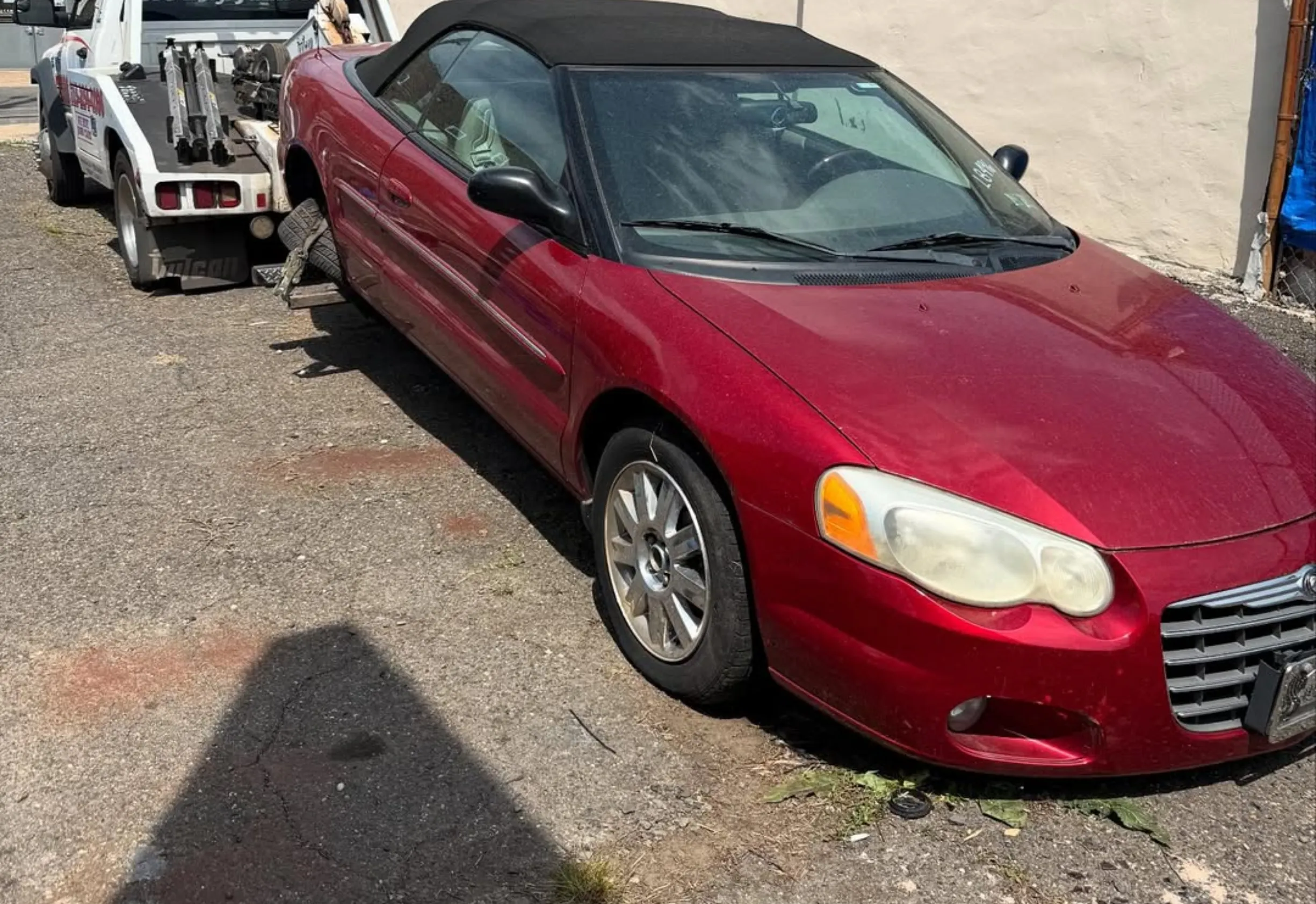
Knowing the average car life is important for drivers who drive daily, budget for repairs or look into cash for junk cars options. Whether you have a standard car, an electric car or a commercial car, knowing how long your car will last affects your maintenance schedule, spending and replacement plan. The automotive industry is evolving with technological advancements like autonomous technology and vehicle monitoring systems, all impacting the lives of vehicles on Australian roads.
If your car has reached the end of its life, a car removal service means proper disposal, instant cash and peace of mind without the hassle of private sales.
What Determines a Car’s Life?
Several factors contribute to the total years or mileage a car can last before major failure or replacement is needed.
1. Maintenance
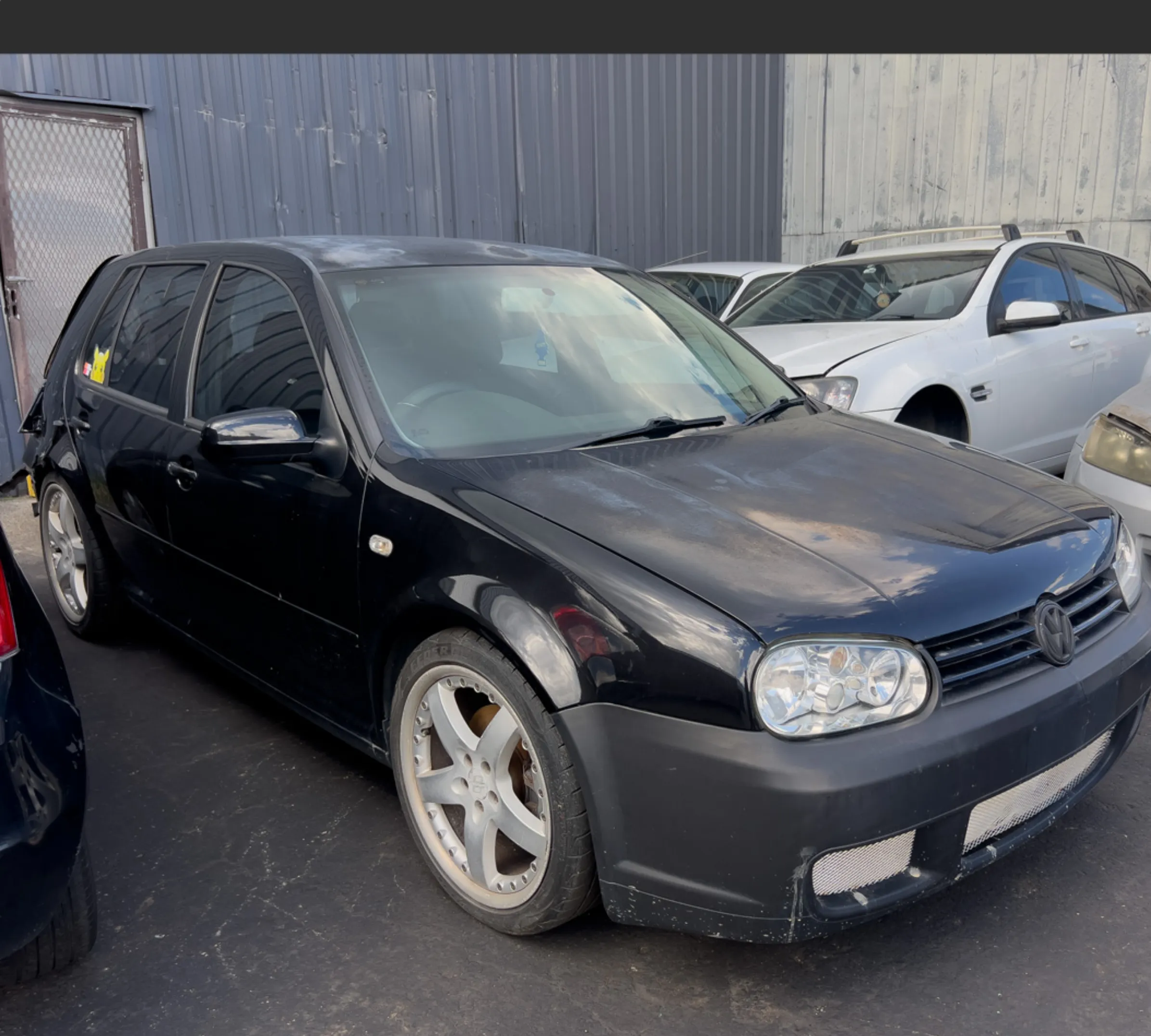
Regular maintenance and a maintenance schedule are key to extending your car’s life. Following a manufacturer’s maintenance schedule—including oil changes, brake servicing and internal component checks—can add years to your car’s life. Automotive Service Excellence says routine care is the biggest factor in reducing maintenance costs down the track.
2. Driving Habits
Good driving habits such as smooth braking, gentle acceleration and not aggressive driving will reduce wear on the internal components. Aggressive driving, daily driving on dirt roads and frequent pothole contact will increase driving wear, especially in diesel cars and luxury cars with complex components.
3. Model and Make
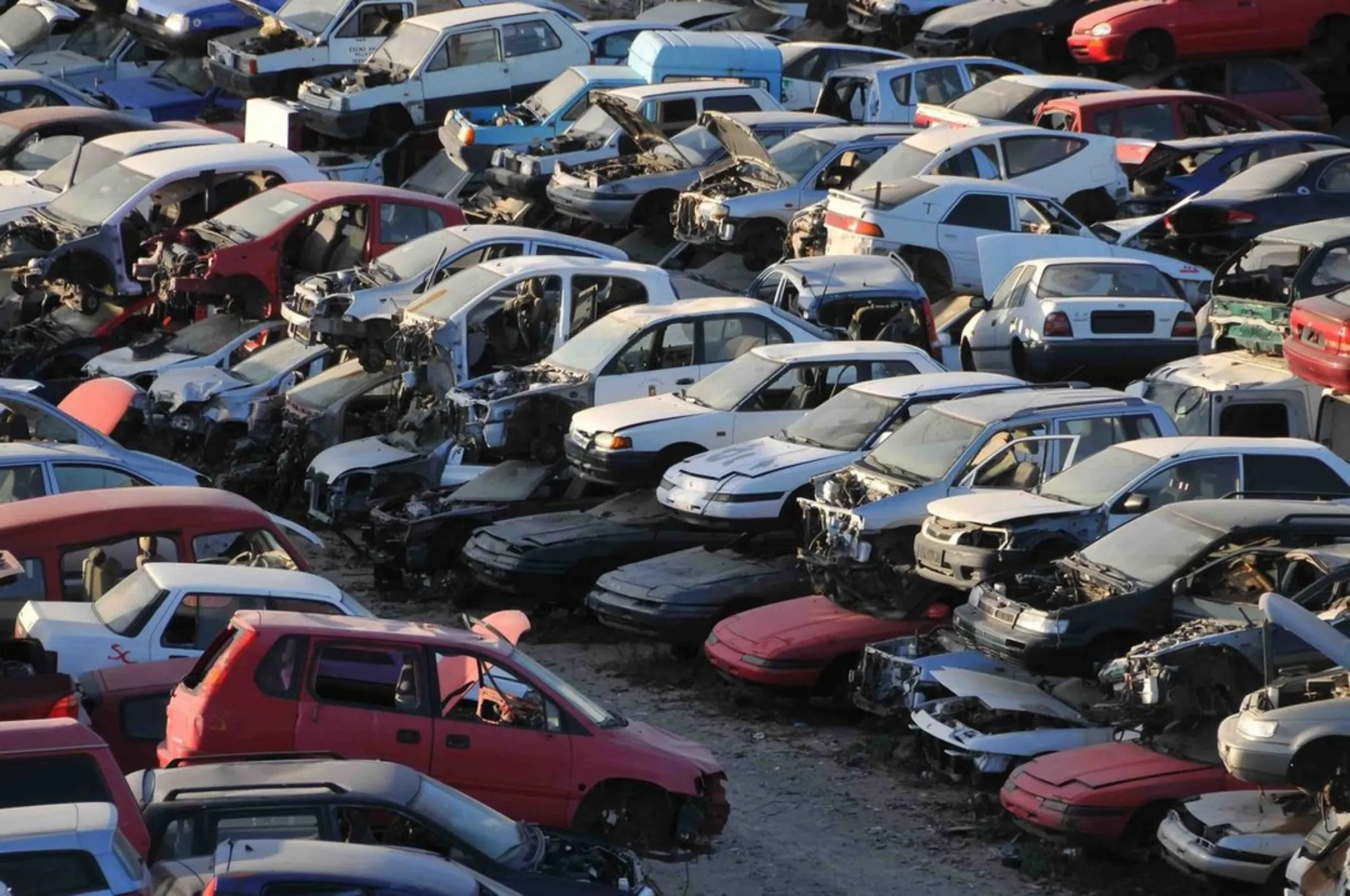
Not all cars are created equal. Asian cars like Toyota and Honda are rated highly in Consumer Reports and annual car reliability surveys for their long-term reliability. Luxury cars have advanced but expensive maintenance requirements. Domestic car makers vary in durability, while commercial cars are built to last with heavy loads in mind.
4. Environmental Conditions
In areas with salty air, extreme heat or dirt roads, cars deteriorate faster. Australian roads, especially in rural and remote areas, can be tough on the suspension and undercarriage, shortening car life unless serviced regularly.
5. Frequency of Use
Higher mileage means faster wear. Cars hitting the 100,000-mile mark (160,000 km) in a few years will wear out faster than those lightly used. On the other hand, cars left idle for long periods will develop battery or brake issues. Whether it’s a conventional or advanced car, balance in daily driving and maintenance matters.
Average Car Lifespan in Australia
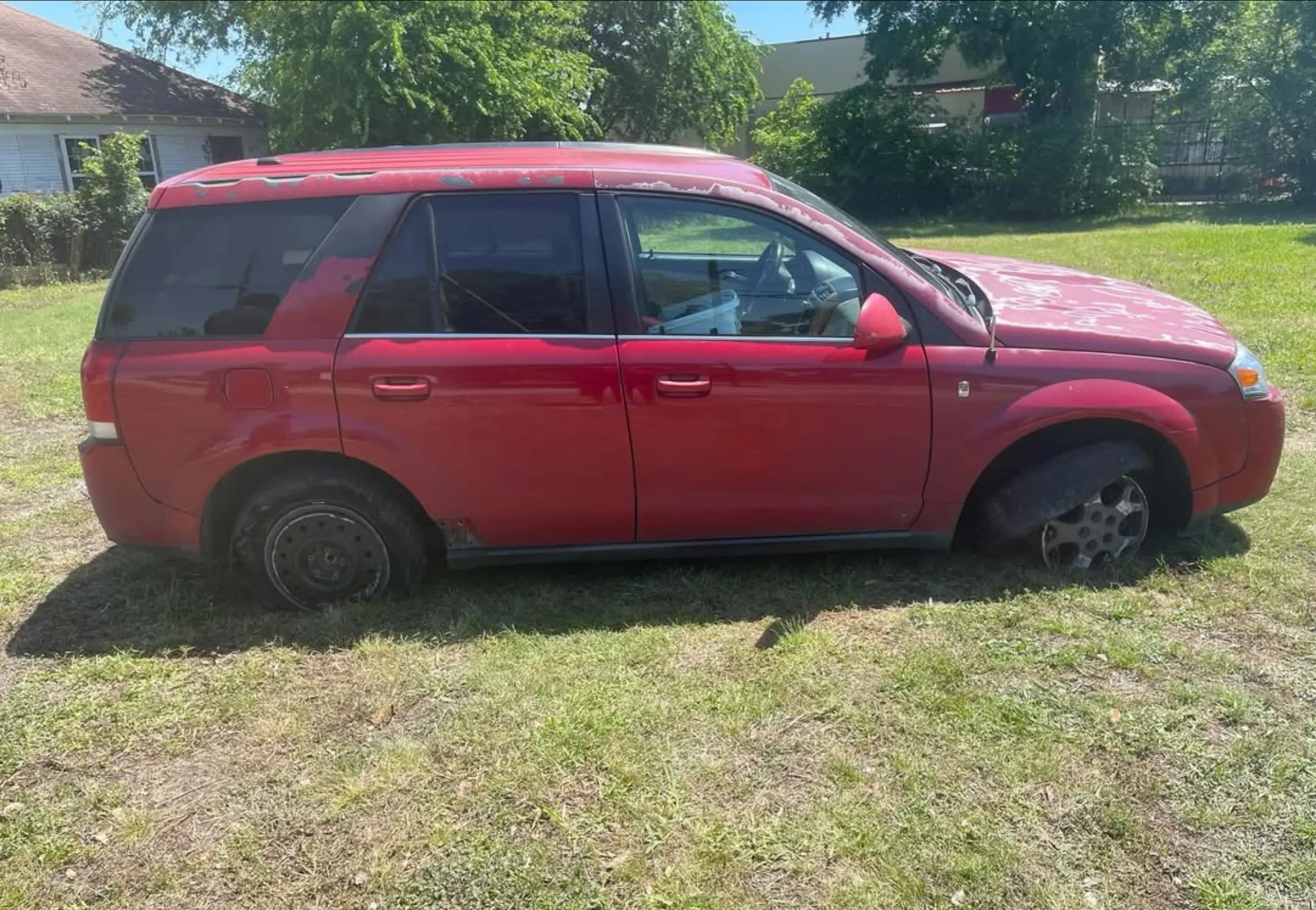
On average, Australian cars last between 10 to 15 years or 200,000 to 300,000 km, depending on conditions, maintenance and model. But with safety advancements and auto technology, some cars now exceed the 400,000-mile mark (over 640,000 km), especially with advanced car management systems and good care.
Here’s a table comparing car types and their lifespan:
| Vehicle Type | Average Lifespan (Years) | Typical Mileage Range |
|---|---|---|
| Conventional Passenger | 10–12 years | 200,000–250,000 km |
| SUV / 4wd | 12–15 years | 250,000–300,000 km |
| Commercial Vehicle | 10–13 years | 250,000–350,000 km |
| Diesel Vehicle | 12–15 years | 300,000+ km |
| Electric Vehicle | 8–10 years (battery-dependent) | 160,000–240,000 km |
| Luxury Vehicle | 8–12 years | 200,000–280,000 km |
The age of household vehicles in Australia is also increasing. According to national stats, the age per vehicle type is going up thanks to improvements in safety features and better supply chain resilience in automotive companies.
When to Sell or Scrap Your Car?
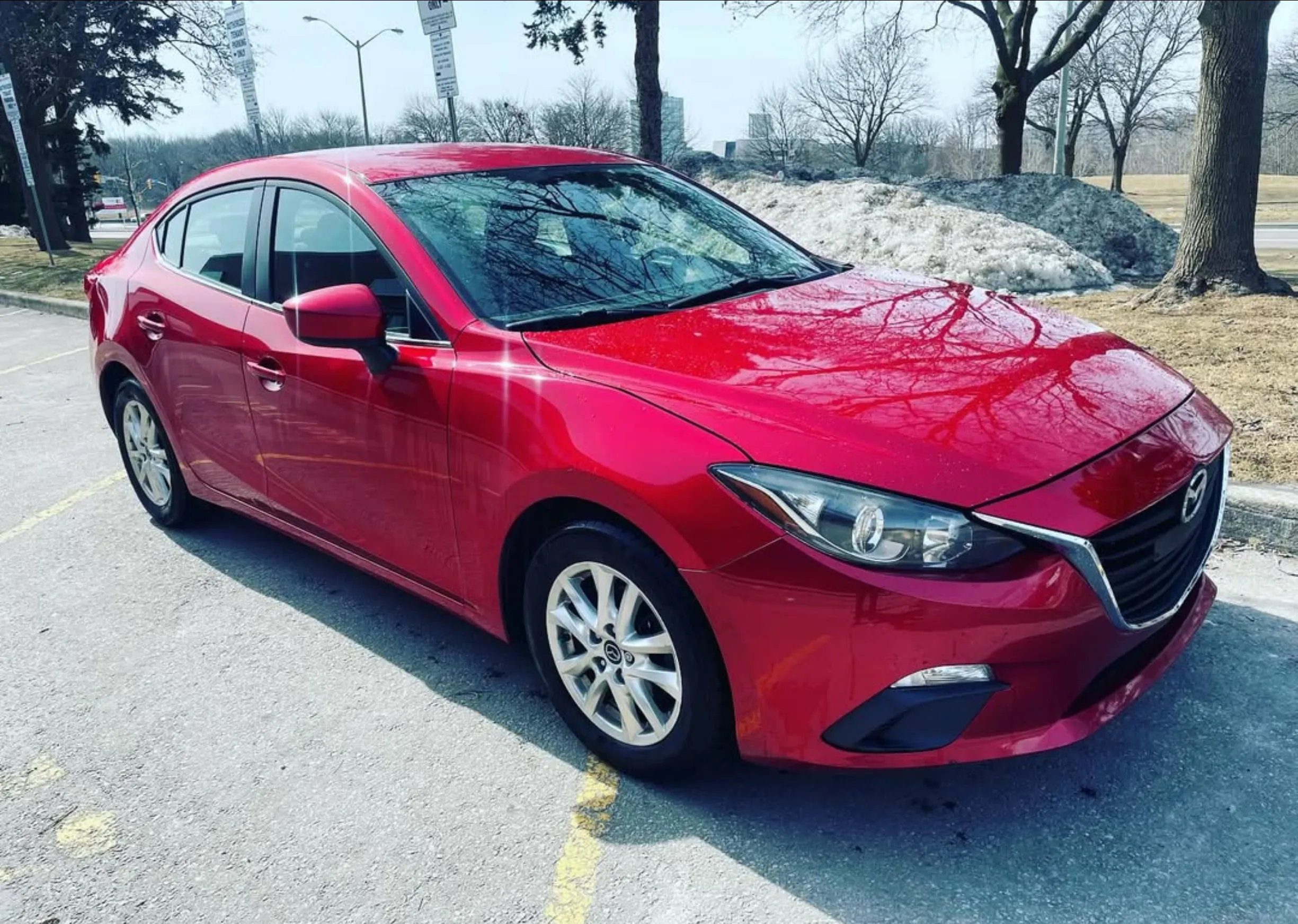
You might sell or scrap your car when:
- The car reaches or goes over the 300,000-kilometre mark
- Safety features are outdated or missing the latest standards
- Repairs are more expensive than the vehicle’s value
- The engine or transmission fails
- You’re switching to a low-emission or electric vehicle
- Insurance premiums increase due to the vehicle’s age
If you’ve already paid for major repairs in the last few years, don’t wait for another breakdown. Selling through a shady company might leave you underpaid or stuck with the car. That’s where a trusted car removal service comes in.
Benefits of Using a Car Removal Service
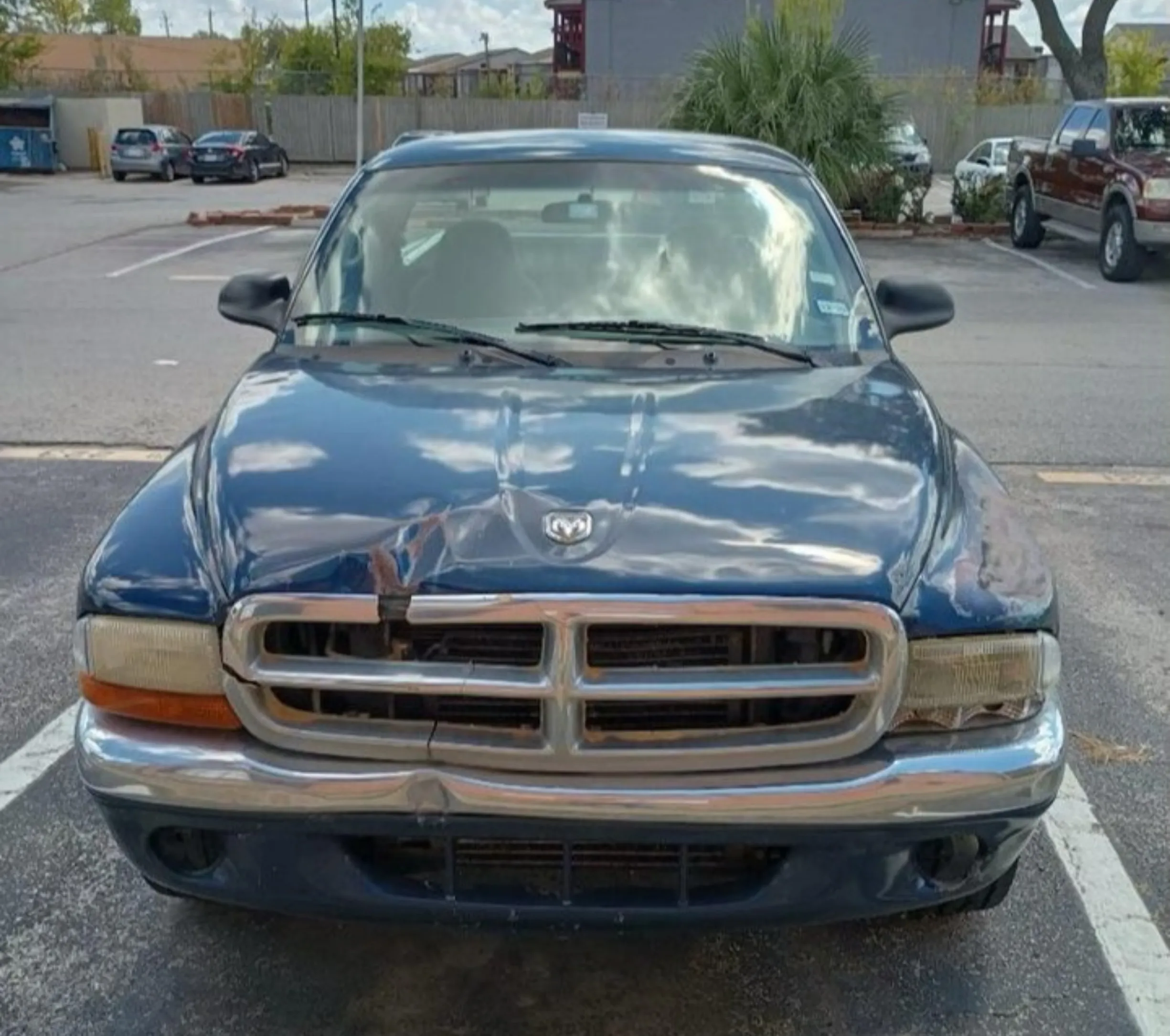
Using a professional car removal provider like A&L Vehicle Recycling gives you:
- Instant cash for old, broken or junk cars
- Free pickup across Melbourne and the suburbs
- Removal of life vehicles with outdated features
- Environmentally friendly recycling
- Disposal of CO2 per vehicle from older models
- Compliance with URG Revolutionise Professional Automotive Recycling Industry with Quality Assurance Program Industry standards
Whether you want to upgrade your current vehicle or just free up space, Old Cars Removed in Melbourne services are the smart, fast and green solution.
FAQ
How long does a car last in Australia?
Most cars last between 10 to 15 years or up to 300,000 km, depending on good driving habits and regular maintenance.
Which cars last the longest in Australia?
Asian cars like Toyota and Honda, and some diesel cars, tend to outlast others due to better build quality and less driving wear.
Should I repair or scrap my car after 10 years?
It depends on repair costs, safety features and mileage. If your car has reached the 300,000-kilometre mark, consider scrapping it for cash for junk cars.
Do electric cars last as long as petrol cars?
Electric cars have shorter lifespans due to battery wear, but with improvements in technology,y some now match traditional cars in durability.
How do I get rid of my old car fast and safely?
Use a trusted car removal service like A&L Vehicle Recycling for same-day removal, professional help and phone support. Call us today.