
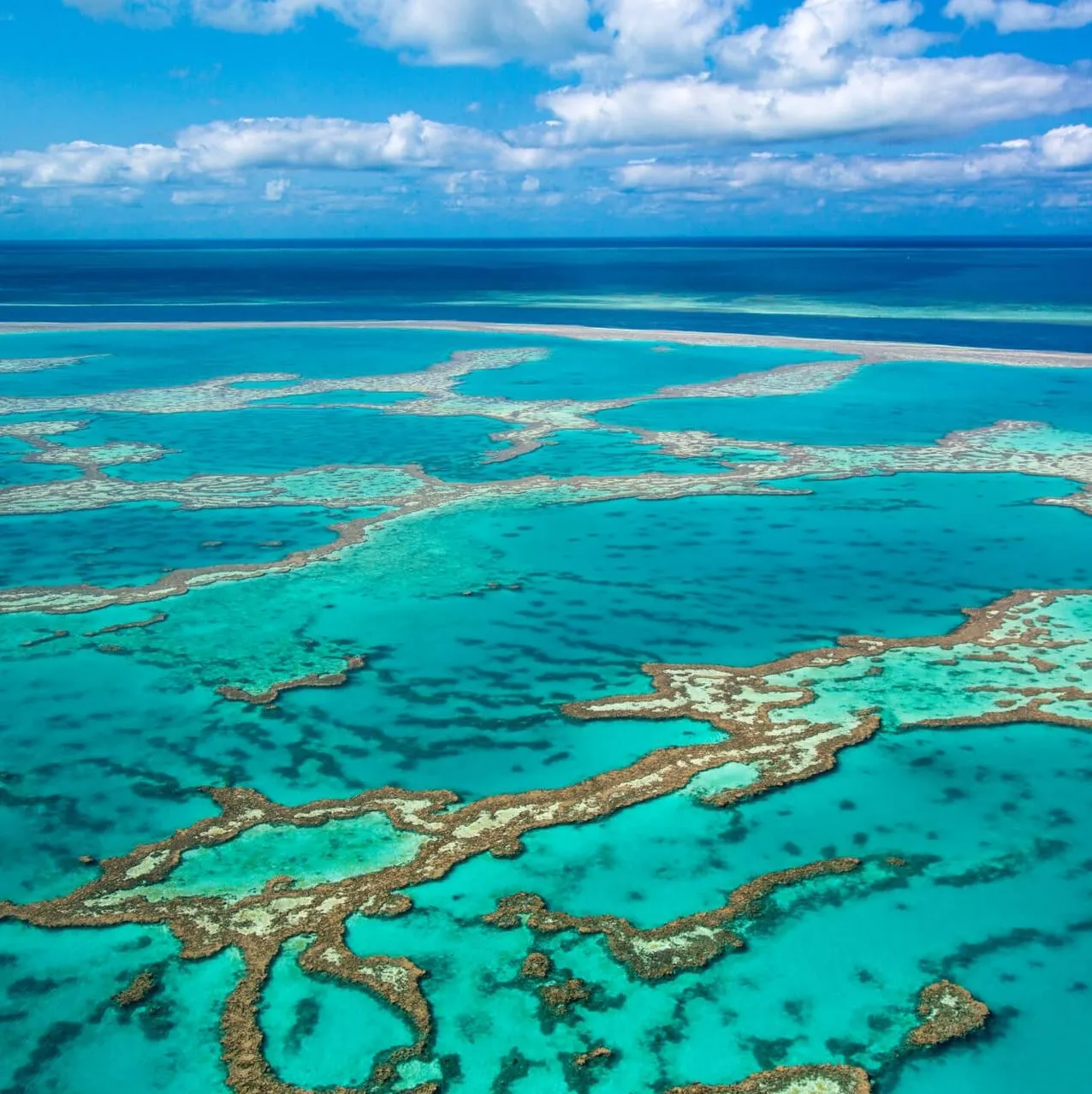
When you dream of the Great Barrier Reef, you probably imagine a sea of turquoise water teeming with coral & marine life, and clownfish having the time of their lives. But here’s the thing – it’s bloody massive. Spreading out over 2,300 kilometres, this World Heritage-listed showstopper is bigger than New Zealand. So, if you’ve only got a short five days to explore, you’ll want one solid base that gives you the full reef experience without having to keep on jumping from one spot to another along the sunny east coast. Having spent years running tours through the region with Get Lost Travel Group & collaborating with Great Barrier Reef Tours, I can confidently say there’s one place that packs it all in – Cairns.
The Pulse of the Reef
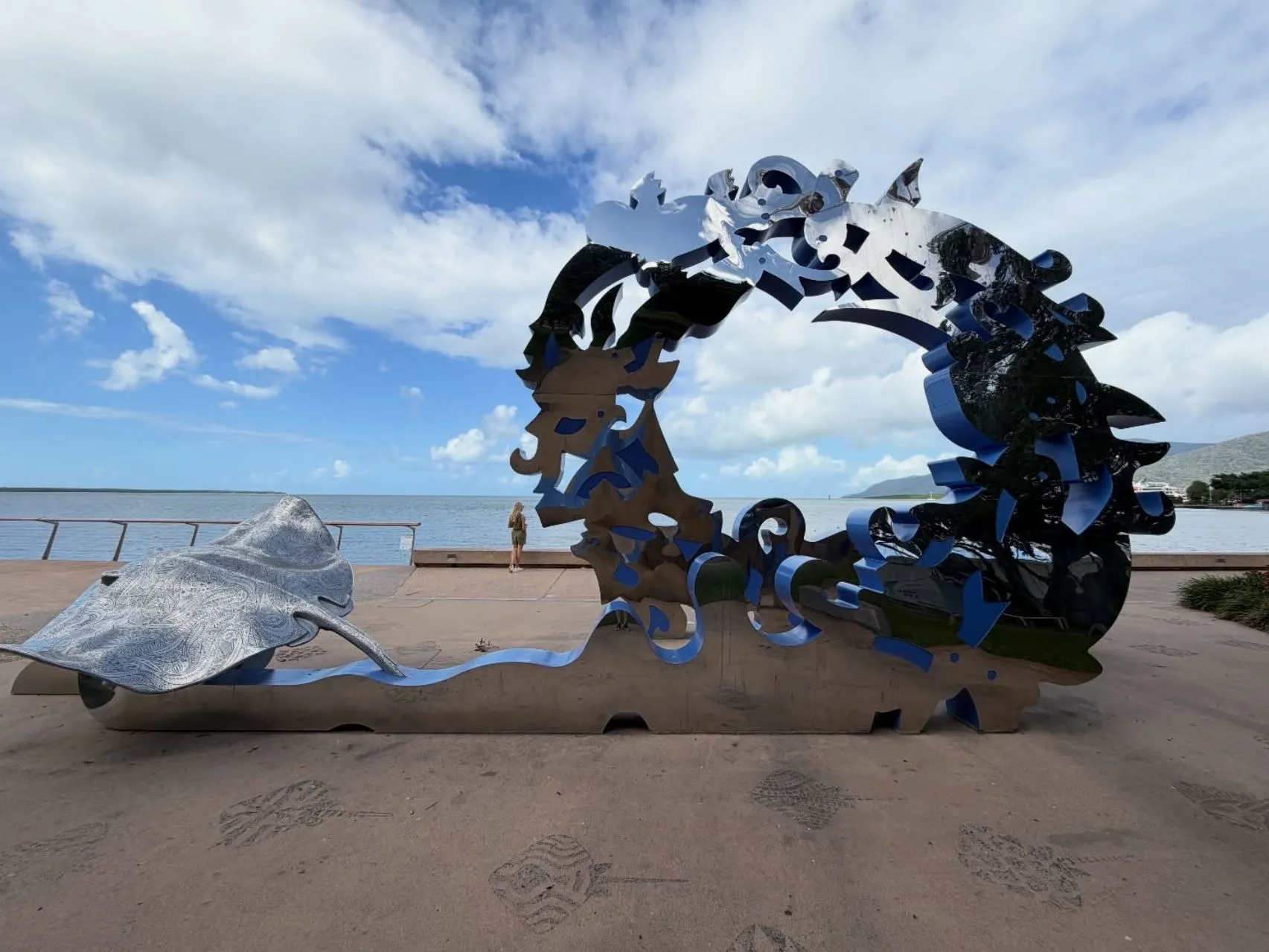
Cairns isn’t just the place where you launch from – it’s the actual heartbeat of reef life. From here, you can snorkel out to the outer reef, take a stroll through the lush rainforest, and grab a cold beer on the esplanade all in a single day. I’ve seen people come back from here sun-kissed, salt-stained, and grinning from ear to ear after a few days.
If you’re after Great Barrier Reef tours that have the balance of adventure & relaxation just right, Cairns has heaps of local operators that can whip up a flexible day trip or overnight cruise. The really good news is that it’s pretty travel-friendly for all types. Families can stick to easy day trips, while more adventurous types can sign up for multi-day liveaboards or 4WD rides up to Cape Tribulation.
Day 1 – Touchdown & Getting a Taste of the Tropics
Your first day in Cairns is about getting your bearings in that tropical air – thick and warm with a hint of salt & frangipani lingering in the air. Drop off your bags & take a stroll along the Cairns Esplanade Lagoon. No crocs here, just a safe spot to have a swim with no stingers to worry about right in the middle of town.
If you’re flying in from the southern states, you’ll want to stretch your legs. Take a walk along the esplanade boardwalk, watch the pelicans sail by, and grab dinner at one of the reef-to-plate restaurants that are scattered along the water.
Local tip: Cairns’ humidity hits differently – bring a refillable water bottle and clothes that dry quickly and won’t soak up all your sweat.
Day 2 – Snorkelling the Outer Reef
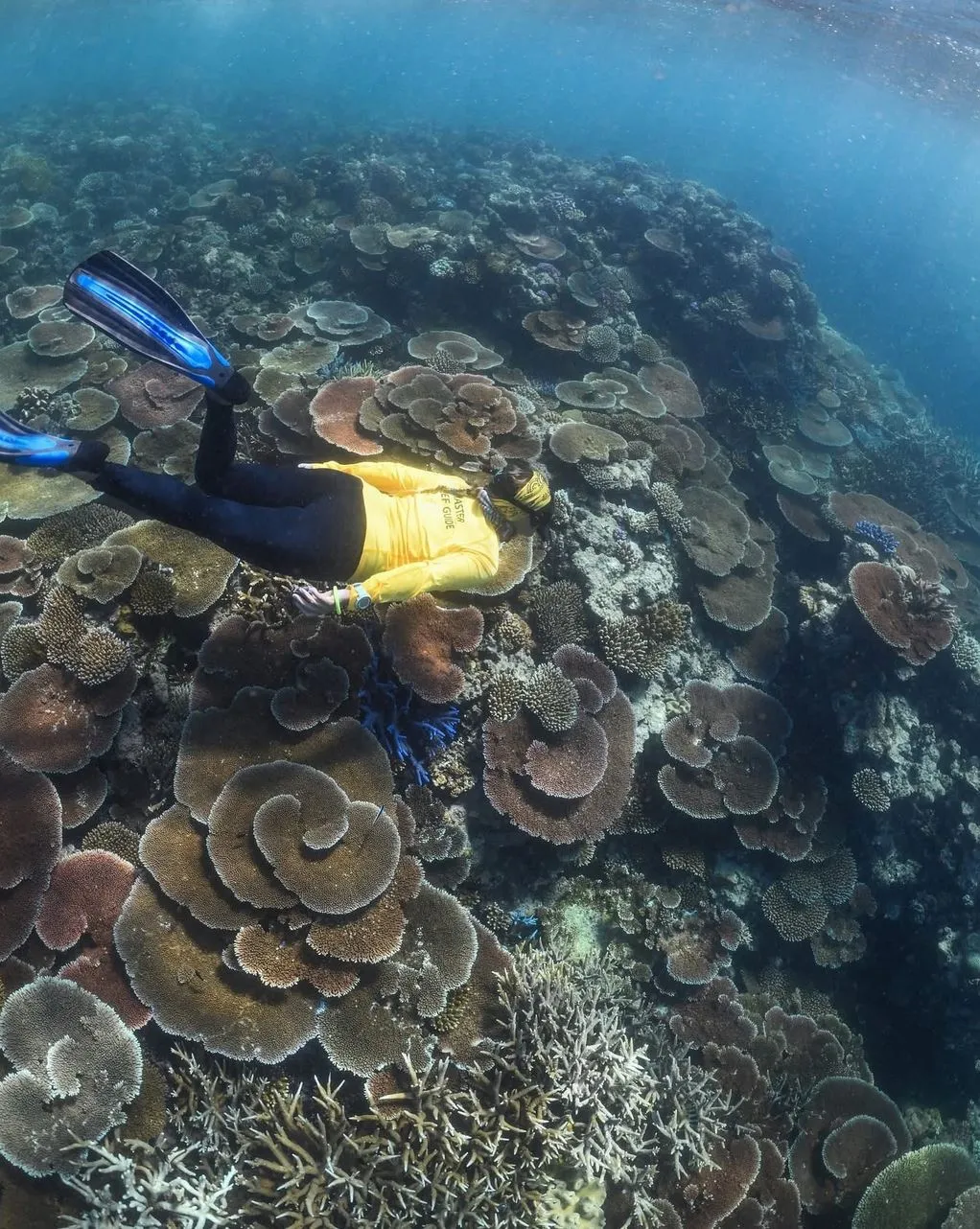
This is the main event. Book an early boat to get to the reef – most of them leave by 8 a.m. from Cairns Marina. There are heaps of operators to choose from, from budget to boutique, but have a look for the eco-friendly ones like Passions of Paradise or Reef Magic – Great Barrier Reef Tours recommends both for their sustainable ways of doing things. They’ll take you to coral sites about 90 minutes offshore – Hastings Reef, Moore Reef, or Breaking Patches are often the spots they head to.
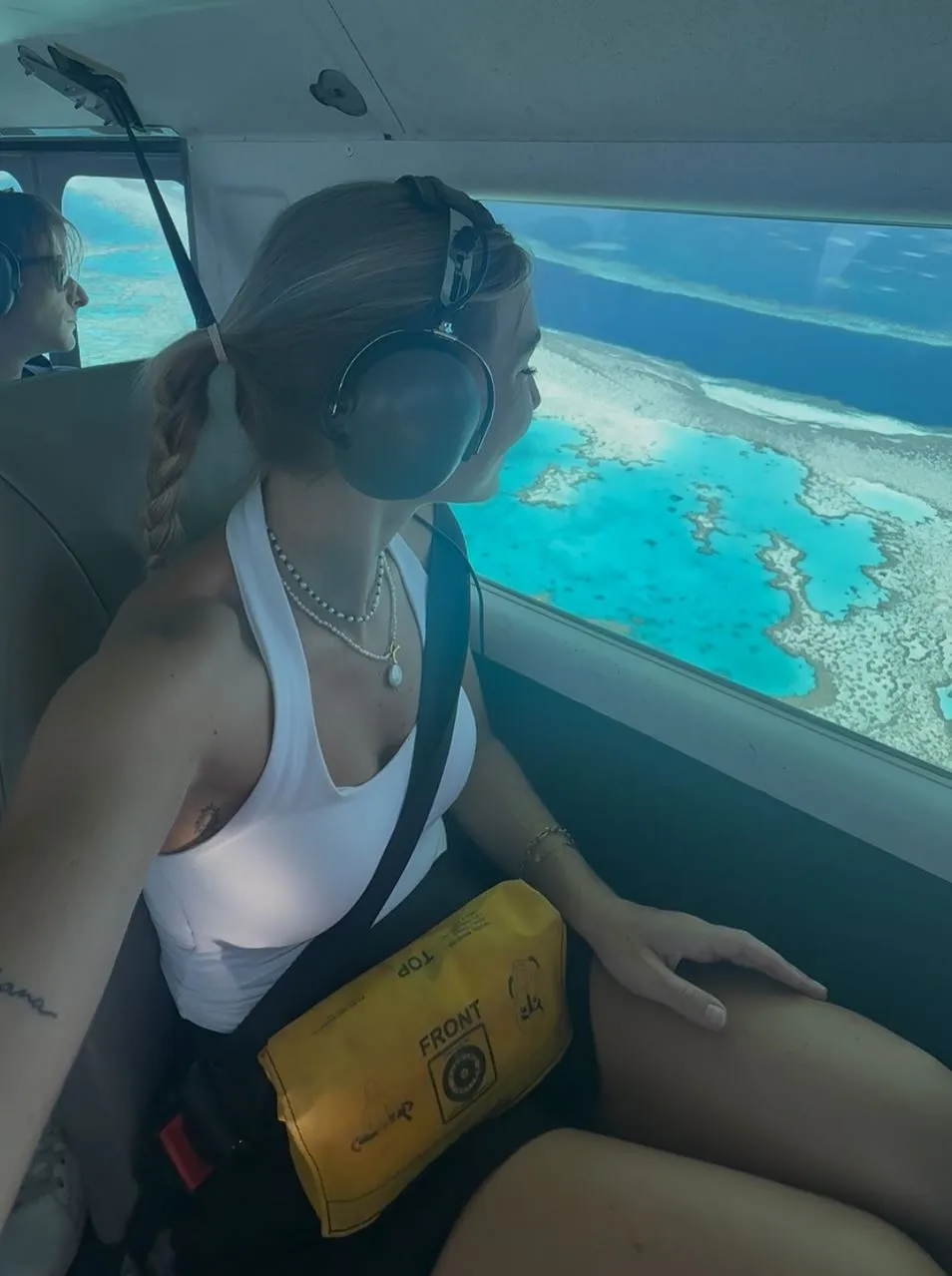
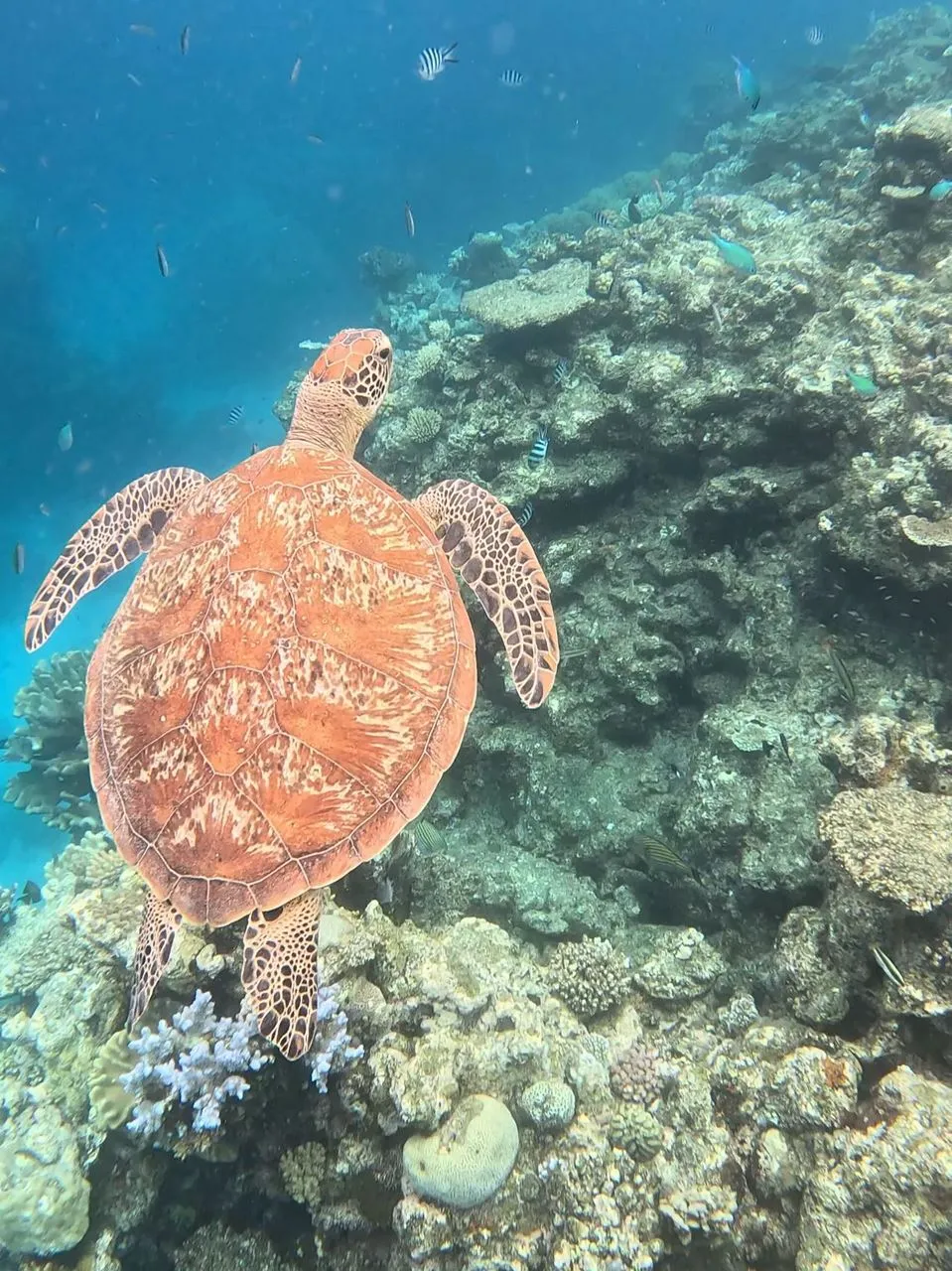
When you’re out there, the water is like glass. I’ve swum alongside turtles, reef sharks, minke whales & parrotfish that are about as big as a dinner plate. If you’re a certified diver, this is basically your playground – the deeper you go, the more amazing it looks.
| Reef Activity | Time Required | Skill Level | Cost (AUD approx.) |
|---|---|---|---|
| Snorkel tour (outer reef) | Full day | Beginner | $250–$300 |
| Intro scuba dive | 1 hour (on-board course + dive) | Beginner | $320 |
| Certified dive (2–3 dives) | Full day | Intermediate | $300–$400 |
| Helicopter flight add-on | 10–30 min | N/A | $250–$600 |
Prices are current as of 2025, but they may change slightly by season.
By late afternoon, you’ll find yourself back in harbour, hair salty and an appetite that’s anything but casual. If you’re looking for a bite to eat, then Cairns night markets are a great place to start – grab a plate of fresh local prawns or a tropical fruit smoothie & just sit back and watch the chaos of the backpacker nightlife unfold.
If you’re serious about reef exploration, Great Barrier Reef tours can offer multi-day dive packages that take you to some of the lesser-known coral systems where the crowds are few & far between.
Day 3 – Where the Rainforest Meets the Reef
Now it’s time to swap your scuba gear for a bushwalk. A 40-minute drive north & you’ll find yourself in Kuranda, a rainforest village perched on the side of a hill. You can get to it by the Skyrail Rainforest Cableway, gliding above the treetops & waterfalls that look just like something from a David Attenborough documentary.
Kuranda’s markets have all sorts of local crafts on offer – art, boomerangs, & didgeridoo demonstrations are all on show, though the real magic is just outside of town – the Barron Falls is a real spectacle during the wet season (Dec – March) and a gentle trickle when things get dry.
Or if you’d like to see the whole town from a different angle, you could take the Kuranda Scenic Railway back down to the bottom – it’s one of Australia’s most photogenic train rides.
Travel check – if you’re planning to visit in the wet season (November to April) then be prepared for some serious humidity & the odd cyclone watch – or perhaps the dry (May to October) when the skies are clear & the seas are calmer, perfect for reef trips & coral spawning events that draw in all sorts of divers from around the world.
Day 4 – Heading North to the Daintree
You really can’t even start talking about the Great Barrier Reef without mentioning the Daintree Rainforest – the world’s oldest rainforest just waiting to blow your mind. I mean, where else can you get the reef and the rainforest together in one absolutely jaw-dropping overlap of ecosystems? From Cairns, it’s around 2 and a half hours north, straight up the coast via Port Douglas.
Take a break and grab a cuppa at Mossman Gorge, where the fresh water is so clear you can spot river stones at the bottom. Then get on the car ferry over the Daintree River – and be on the lookout for a few lazy crocs lazing about on the banks. Once you’re in the forest proper, everything just feels like you’re stepping back in time to the prehistoric era. There are the massive ferns, the bright green tree frogs, and, of course, the cassowary tracks on the walking trails.
I still remember a February camping trip down at Cape Tribulation when the rain was coming straight down on us sideways, and the mozzies were going mental, yet somehow it was one of the best nights’ sleep I’d had in ages. The sound of the rain pounding on the canvas of our tent, plus the symphony of frogs in the distance… well, it was way better than any sleep app I’d ever used.
Be croc-aware: don’t even think about swimming in the creeks or estuaries north of the Daintree River – just stick to the proper designated swimming areas marked on the trails.
Day 5 – Take a Day Off (Or Not)
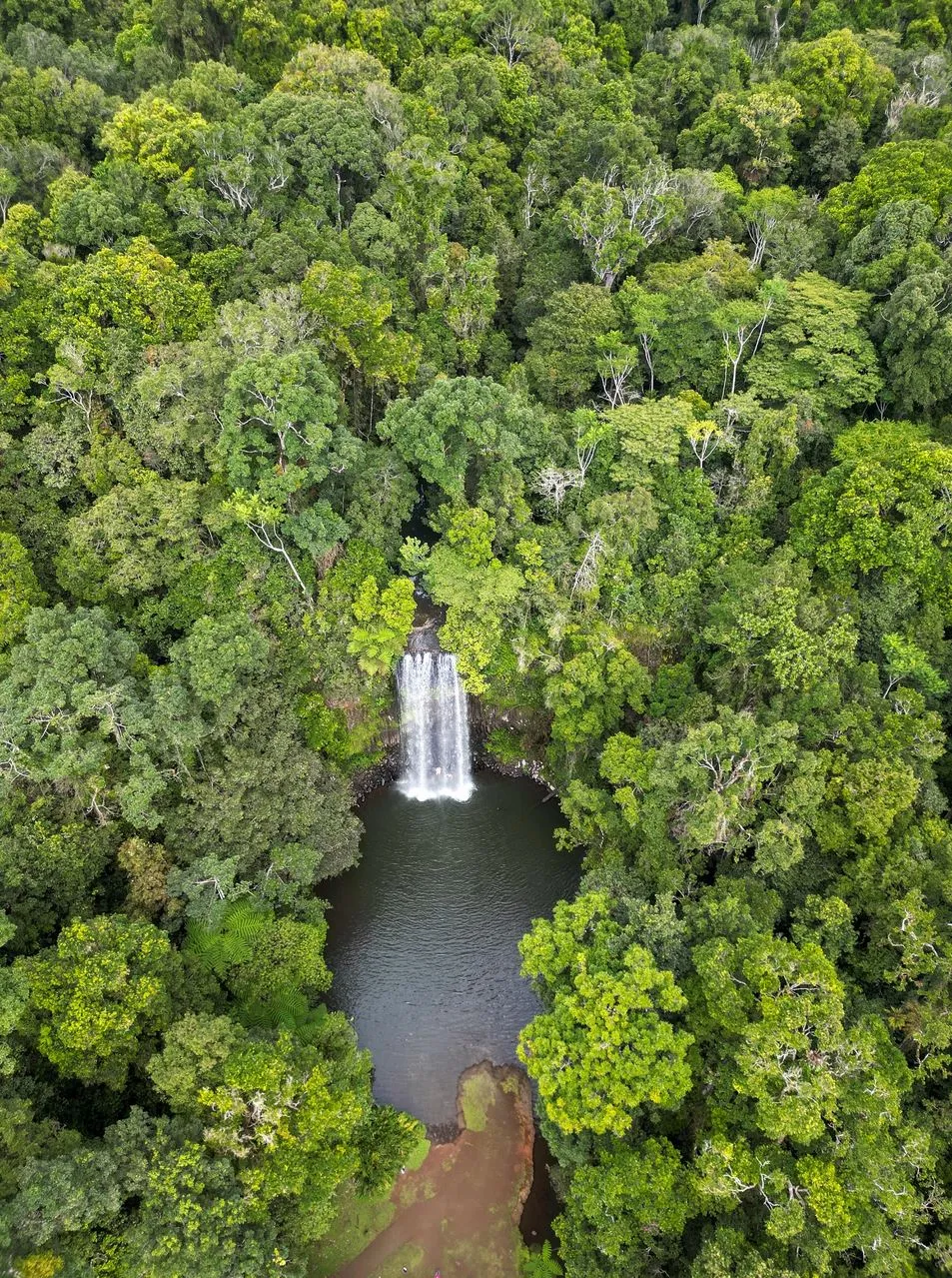
Your fifth day is completely up to you – so if you want to go out with a bang, get on a hot air balloon ride over the Atherton Tablelands at dawn and watch as the patchwork farmland lights up golden in the early light. Or, if you’re feeling like a bit of a lounge lizard, just head on back down to Palm Cove – it’s just 25 minutes north of Cairns, and you can just lounge about with a flat white in one hand and your toes in the sand.
If you’ve got a bit of spare time before you fly out, take a walk around the Cairns Botanic Gardens, or head on down to the Sheridan Street galleries to check out some of the Indigenous art on show. A lot of these places showcase artists from the Cape York and Torres Strait regions.
To round off your trip with a bang, take a sunset dinner cruise with Great Barrier Reef Tours as you sail past the harbour – a perfect way to toast the end of your trip before you head on home.
So, When’s the Best Time to Go Anyway?
The short answer: May to October. That’s when the dry season kicks in – clear blue skies, warm days of 27 degrees, calm water and absolutely no stingers. November through April… well, it’s the other end of the scale: tropical storms, humidity is off the charts, and there are jellyfish nets on the beaches.
| Season | Weather | Conditions | Notes |
|---|---|---|---|
| May–Oct (Dry) | 24–29 °C, sunny | Calm seas, best visibility | Peak travel season |
| Nov–Apr (Wet) | 26–33 °C, humid | Cyclones possible, stingers in water | Cheaper rates, lush rainforest |
According to the Australian Bureau of Meteorology, Cairns’s average annual rainfall exceeds 2,000 mm, with most falling between January and March. So if you want blue skies for your reef dives, plan around that window.
Budgeting for Five Days on the Reef
Costs vary depending on your comfort level, but here’s a quick guide based on current 2025 pricing:
| Category | Budget Traveller | Mid-Range | Splash-Out |
|---|---|---|---|
| Accommodation (per night) | $45–$90 (hostel/private room) | $150–$250 | $400+ |
| Meals (daily) | $50–$80 | $100–$150 | $200+ |
| Reef Tour | $250 | $300–$400 | $500+ |
| Car Hire (per day) | $90 | $120 | $200 |
| 5-Day Total (approx.) | $1,200 | $1,800 | $3,000+ |
Even on a tight budget, you can still have a top-notch, great barrier reef adventure – warm ocean swims, reef tours, rainforest treks, and sunset beers on the beach.
If you are planning to book Great Barrier Reef tours with your mates or the family, it’s a no-brainer to book ahead during peak season – you’ll save a fair bit of cash.
Showing Some Respect
Before you even set foot on Yirrganydji and Gimuy Walubara Yidinji Country, remember you are a visitor. Many local operators partner with Traditional Owners to ensure reef experiences are not only eco-friendly but also respectful of local culture. When your guide shares some stories about how the reef came to be – these aren’t just some tales to entertain you – they are part of the living culture of this place.
When I bring groups here on my Get Lost Travel Group trips, we ensure people listen to the local guides, ask questions, and follow their lead. Take nothing but some great memories and a few good reviews for the crew who help make it all happen.
A Quick Reef Travel Checklist
What you need to bring:
- Reef-safe sunscreen (got to leave the oxybenzone at home)
- Some lightweight long sleeves to keep the sun off
- Anti-motion sickness tablets if it’s a rough day on the water
- A refillable water bottle
- Some decent mozzy spray (they are vicious in the wet season)
Permits & Access:
- Marine park fees (~$7 a day per person)
- No special permit required for day hikes or just a look around at the national park lookouts
- If you are thinking of camping in Daintree NP, then you should book your site through Queensland Parks & Forestry
Local dos and don’ts:
- Don’t stand on the coral – it’s alive, man
- Take your rubbish home with you
- Give a bit of business to some of the Indigenous-owned tour operators if you can
2 Sample Itineraries & Some General Travel Tips
If you’re a couple, a good mix of high-energy days and some chill time is the way to go. I have seen couples split their time roughly as follows: 2 reef days, one rainforest day, and 2 days relaxing. It’s a pretty sweet spot between getting out there and having some downtime.
And if you are blogging about the Great Barrier Reef or looking to write a detailed travel guide, don’t focus on the same old same old – go for a bit of a combo of coral ecosystems, rainforest walks, and the seasonal highlights like coral spawning – that is what sets Cairns apart, you know?
Lots of great barrier reef tours now offer itineraries specifically designed for couples, pairing up reef experiences with some luxury stays – ideal for honeymoons or special occasions.
Final Word: Why Cairns Has Everything You Need
You could easily blow a whole month exploring the Great Barrier Reef, but if you only have 5 days to play with, Cairns is basically the ultimate shortcut. You can still manage to snorkel some world-class coral, wander through the remnants of an ancient rainforest, and squeeze in a sneaky gelato on the esplanade just before the sun dips below the horizon.
After years of shepherding groups from Cape York to the Whitsundays, and having seen most of what the region has to offer, I reckon that nowhere else does the whole “reef-to-rainforest” thing quite as well as Cairns does. Five days on the Great Barrier Reef – what one spot would give you the best experience in that time? Well, you’ve got your answer right here: it’s that little town in the north.
So, pack some light clothes, try to keep an open mind, and don’t forget your sense of humour – the tropics are all about doing things the way you want to, not half-heartedly.
FAQ
Can you still see the reef without getting your feet wet?
Yep, no problem. You can take a spot on a glass-bottom boat tour, hop on a semi-submarine, or hang out on one of the reef platforms – all options are available for anyone who doesn’t fancy getting in the water.
Are there sharks on the reef?
There are, but not much to worry about. They’re mostly harmless reef sharks that keep to themselves and rarely bother swimmers. Just be mindful of your personal space, and you should be fine.
What’s the biggest threat to the reef right now?
The Great Barrier Reef Marine Park Authority (2025) reports that climate-change-caused coral bleaching is the primary concern at present. And the good news is that the tourism industry is using some of that cash to fund conservation efforts.
Can you make it to the Daintree without needing a 4WD?
You can – but just about. The main road to Cape Tribulation is sealed so that you can get there in a normal car. But be warned: if you try to get past the Bloomfield Track, you’ll definitely need to break out the 4WD
How long do you really need to spend in Cairns to see the reef properly?
Five days is probably the sweet spot – that way you get a day on the reef, some time in the rainforest, a bit of a coastal drive, and then you can just ease on out of there before you get bored or run out of cash.