
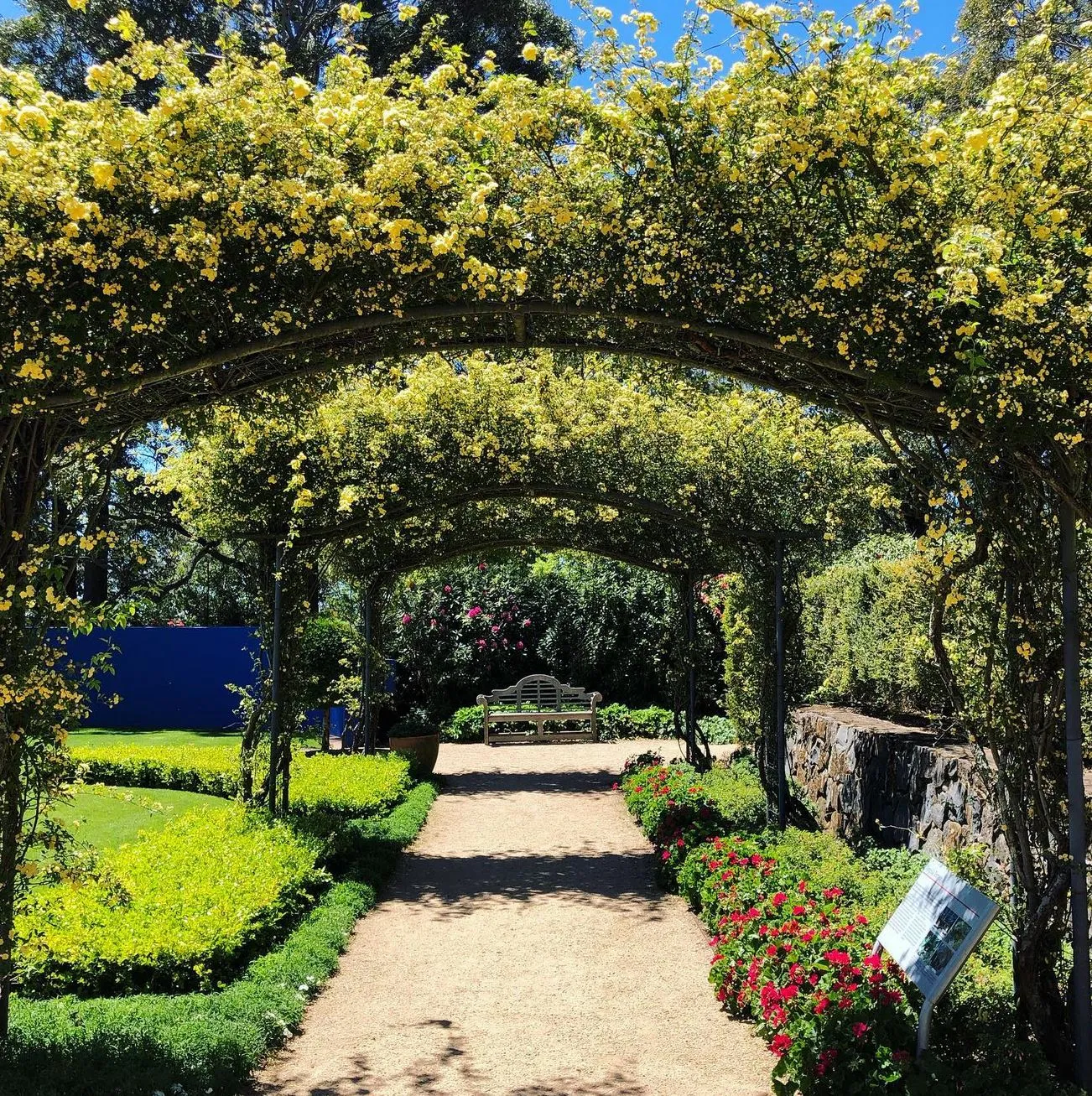
Whether you’re after that perfect rust-gold leaf blanket or just want to take a chilled walk among frosty mornings and crisp air, Where to Find the Best Autumn Gardens in the Blue Mountains is your go-to guide for the season. In this piece, you’ll get practical tips, real-world directions and no fluff. Blue Mountains Tours often include stops at these gardens, so you don’t have to worry about parking or entry times.
Get Your Seasonal-Timing Right
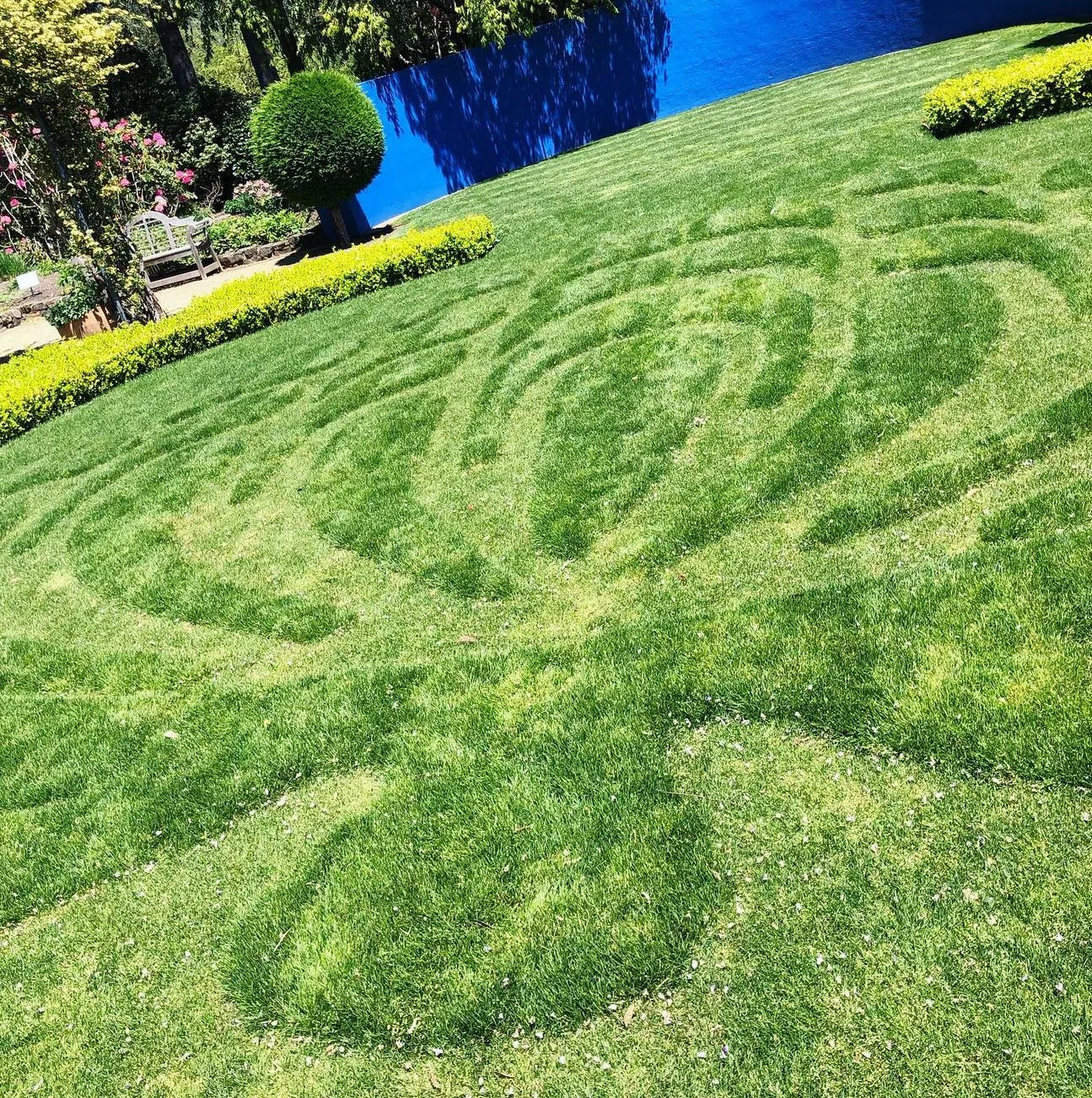
Cool-climate gardening is funny in the mountains: you’ll find near-peak colour from about late March to mid-May. In the Blue Mountains Botanic Garden (Mount Tomah), you’ll see the golds and crimsons under deciduous trees and oaks because of the drop in temperature and slower chlorophyll production. (botanicgardens.org.au)
Most village gardens around Mount Wilson open their autumn displays in early April and close by late May. (breenhold.com.au)
Tip: Check garden opening dates beforehand — many are privately owned and only open for part of the season. (bluemts.com.au) Blue Mountains Tour packages often include transport to several of these gardens in one day.
Mount Wilson’s Garden Cluster
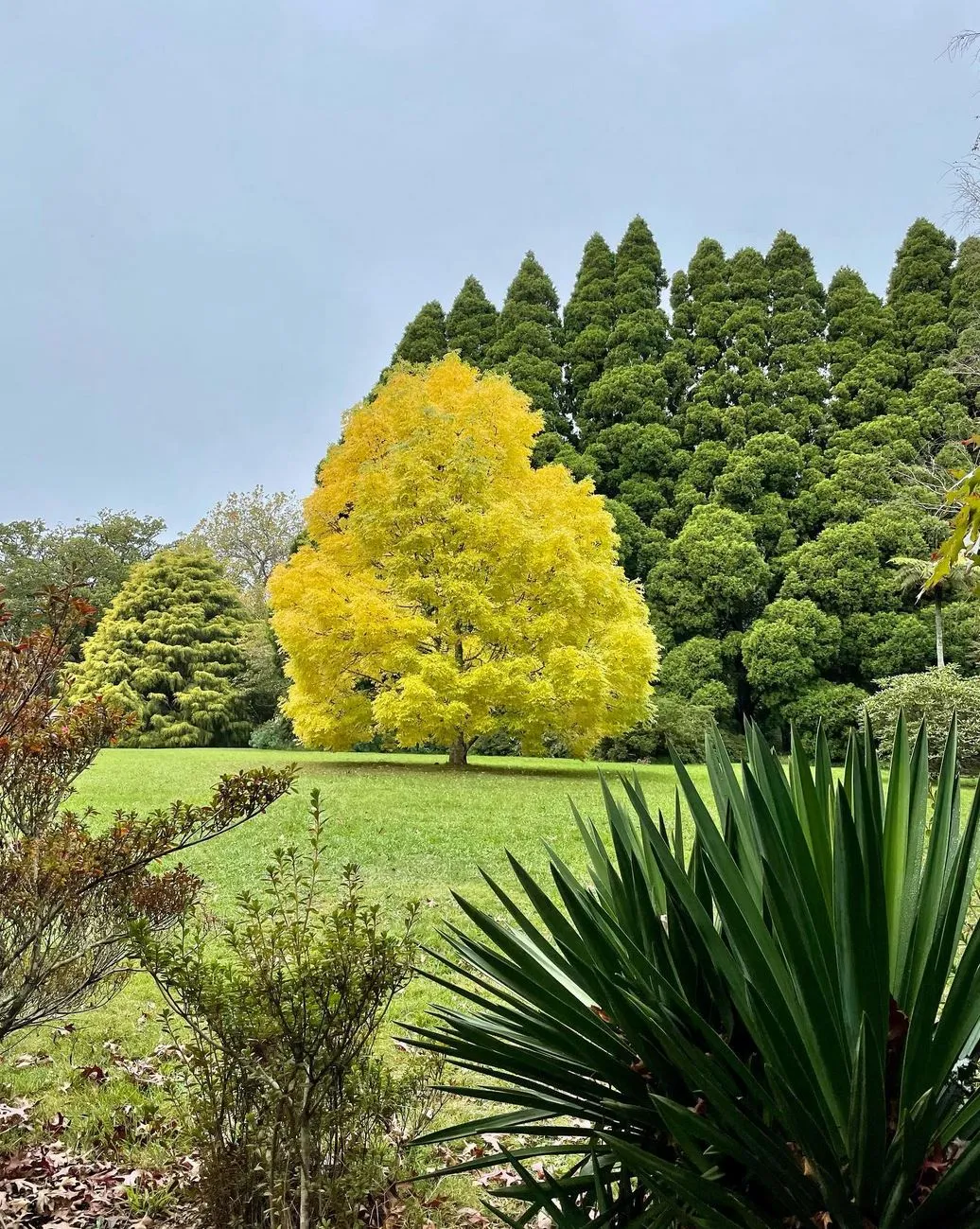
If you get there early in the morning, the light is soft and you’ll avoid the peak crowds. In the Mount Wilson area, you’ll find multiple private gardens: for example, Bebeah Garden, Nooroo Garden and Windyridge Garden. (walkmyworld.com)
These spots deliver rich autumn tones — vivid autumn leaves, copper beeches, exotic gardens and oak trees — set in cool-climate volcanic soils with mountain views. You’ll find flowering shrubs and species of flowers that only thrive in the highlands’ cool air. Bebeah is noted for “the most intense red leaves” the writer had seen. (walkmyworld.com)
Practical hints:
- Bring layers — early mornings at ~1,000 m elevation get chilly.
- Parking is limited; share a car if possible.
- Some gardens charge around A$10 for adult entry. (bluemts.com.au)
- Great for leaf peeping photographers and even small film shoots.
- Blue Mountains Tours sometimes include this region in their autumn itinerary for photographers and film set crews.
Blue Mountains Botanic Garden (Mount Tomah) — Altitude + Access
1,000m elevation. Accessible walks and a big botanical garden. (en.wikipedia.org)
The “Residence Garden” area has Japanese maples turning burgundy, gold and merlot in autumn. You’ll smell eucalyptus oil drifting from nearby bushland, native trees mixed with imported species in one of Australia’s best cool climate gardens. (botanicgardens.org.au)
What you’ll get:
- Wide paths are good for families or slower walkers.
- A backup if the weather’s dodgy — visitor centre, shelter available.
- Food-stop options are nearby in Bilpin or Mount Tomah village.
Be aware: Weekends can be busy; try to get there early if you prefer quiet. Booking through a Blue Mountains Tour can help avoid peak times.
Everglades House & Gardens, Leura
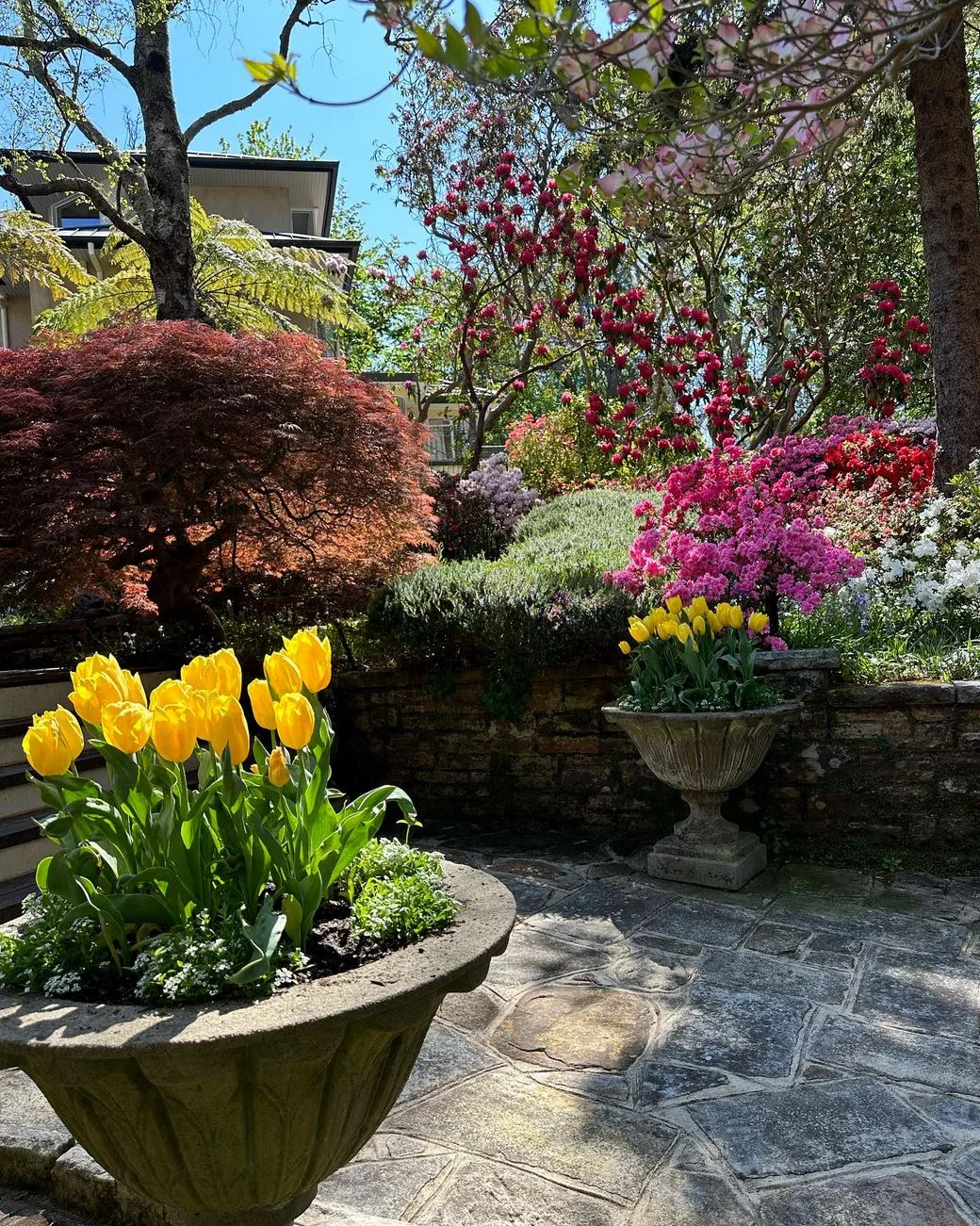
Down in Leura, Everglades House & Gardens is a different flavour: an inter-war period garden with art-deco architecture and mature deciduous trees turning colour. (nationaltrust.org.au)
Not keen on purely botanical walks and want a bit of glamour with your leaf-watching? This one’s for you. It’s also a favourite with film set designers due to the manicured lawns and heritage buildings. Blue Mountains Tours often stop here so you can enjoy the heritage and tea gardens.
Bonus: Traditional tearoom for afterwards.
Heads-up: Dress for the breeze — it’s colder than you think at this altitude once the sun drops.
Quick Comparison: Which one’s for you?
Here’s a table to help you decide:
| Garden | Location | Best For | Entry Cost Estimate* | Crowd Level |
|---|---|---|---|---|
| Mount Wilson cluster | Multiple gardens, exotic species, and film shoots | ~A$10 – A$15 (adult) | Moderate to high | |
| Blue Mountains Botanic Garden (Tomah) | Accessible botanical gardens, cool climate gardens | Generally free (check site) | Moderate weekends | |
| Everglades House & Gardens | Heritage inter-war period garden, film set potential | Check current fees | Lower than peak gardens |
*As of 2025, entry fees are likely to vary – so always double-check before you travel.
Using these comparisons, you can match your available time, the amount of crowd you’re willing to put up with, and the level of access you’re after. Blue Mountains Tours can combine a few of these gardens into a single-day trip that’ll take in all the scenery.
Local Logistics and Hacks
Right, you’ve chosen a spot – now let’s get down to the nitty-gritty stuff that’ll save you from having a disaster on your hands because of a pesky mozzie or a closed toilet.
Getting there: If you’re heading for Mount Tomah, take the Bells Line of Road. Whilst the turn-off signs in the Blue Mountains are generally pretty good, GPS can go a bit haywire in the forested gorges and sometimes lose signal.
You’ll also want to aim for opening time or mid-morning – that way, you get some of the early light in and you’ll have fewer people to contend with.
What to pack :
- A thermal layer and a waterproof outer – the nights get chilly in autumn, and you don’t want to be caught out.
- A picnic kit is a must – a lot of the garden cafes shut pretty early or don’t exist, to be honest.
- Good shoes – wet paths are slippery as the leaves start to pile up.
Winter’s still coming to an end, autumn can still bring rain and wind – so check the site for any weather alerts. Also, be aware that some of these gardens are privately owned and only open on select days (bluemts.com.au).
Be considerate of the grounds : these are working gardens and some of it is private property – stick to the paths, keep your dog on a lead and make sure you pack out any rubbish you bring in.
If you’re after somewhere to stay, I reckon you should check out the glamping options in Bilpin or Mount Tomah – a night or two in a posh tent will be the perfect way to round off a day of leaf spotting.
A photography tip : the golden hour (just before the sun goes down) is great for catching some of that warm light on the changing leaves – just don’t forget to bring some mozzie repellent if you’re camping near the mountains – they still bloody well come for us up there.
Blue Mountains Tour operators will often offer overnight glamping or transfers for anyone looking to soak up the seasonal change in all its glory.
From Leaf-Watcher to Gardener
It’s not just about ticking off a few more gardens to visit – you can take back some real inspiration from these places.
If you plant a maple or a beech in your garden, you could be looking at six to eight weeks of colour – all provided you do it right.
Cool climate plants tend to do a lot better at the height of the Blue Mountains – so keep an eye out for those rather than the tropical ones.
You should take note of how these gardens mix the colours of the changing leaves with the evergreens—it’s not all red; the contrast really makes the other colours pop.
Pick one colour scheme that you love ( maybe gold and yellow or deep red ) and plan your planting around it – too many different colours and it can look a bit of a mess.
When I was at Windyridge Garden at Mount Wilson, I thought to myself: Right, when I redo the back yard, I’ll keep that bold red maple as the anchor. Booking a Blue Mountains Tour gave me the chance to discover a few places I might have otherwise missed.
Final Thoughts and Next Steps
You’ve now got a solid blueprint for discovering the Best Autumn Gardens in the Blue Mountains – whether that’s the cluster at Mount Wilson, the peaceful heights of Mt Tomah, or the heritage charm of Leura’s Everglades. You’ll leave with crisp mountain air in your lungs, the crunch of leaves underfoot, and some great ideas for your own backyard garden. Blue Mountains Tours make it a breeze to visit several gardens in one hit, especially if you’re visiting for the first time.
Grab your Akubra, sort out your layers and get ready to hit that garden before the colours start to fade. Seriously, the leaves don’t hang around forever – they’re only as good as the spring weather.
FAQ
Do the gardens open every day during autumn?
Not by a long shot. The best ones in the area are privately owned and only open during certain times of the year (usually April-May). Always check the opening hours before you go – you can find the info on the websites for Breenhold (breenhold.com.au) and the Walk My World tours (walkmyworld.com).
What’s the best time of day to visit to see the foliage colours?
Getting up mid-morning to early afternoon will give you the full light, while late afternoon will give you a warm glow on the red leaves – just be aware that mountain weather can change quickly and turn dark at the drop of a hat.
Are the paths suitable for buggies or wheelchairs?
Some of them are – especially the big gardens like the Botanic Garden at Mount Tomah, which has wider tracks and easier going. Others, the smaller private ones, might have uneven terrain, leaf litter and steps.
Will I still see the colour if it’s rained or been cloudy?
Yeah, it doesn’t all go away – but be aware that wet leaves on the paths can be slippery, and light may be dull. On the other hand, a dry crisp morning after a bit of rain can actually make the colours pop.
Can I have a picnic in any of these gardens?
Many of the gardens will let you bring some food along, but the cafes are pretty limited – at Mt Wilson, you’ll probably need to bring your own. Windyridge is pretty good with the complimentary tea and biscuits, but don’t count on them having a full-on food service (walkmyworld.com).
Let me know if you’d rather have a printable map and packing list, some turn-by-turn directions for any one of the gardens, or perhaps a custom Blue Mountains Tour itinerary that includes ’em all.