
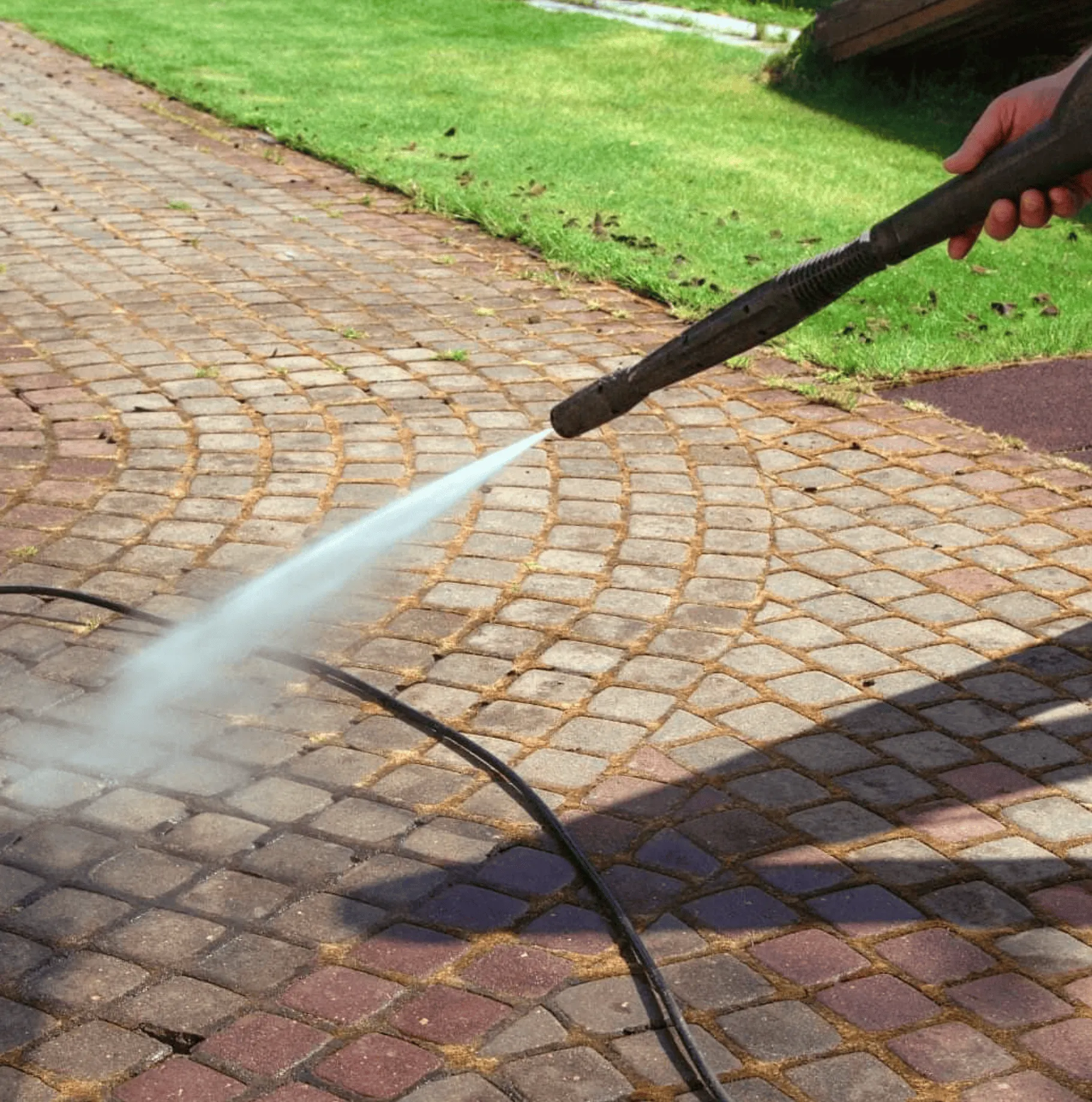
Keeping the exterior of your home or business clean is important for looks and longevity. From driveways and decks to walls and outdoor furniture, regular cleaning keeps these areas looking fresh and free of dirt, mould and mildew. Two popular methods of cleaning—pressure washing and power washing—are used for these tasks, but knowing the difference between them is key to getting the best results and not damaging the surface.
Both use high pressure water to clean outdoor surfaces but the power and application differ due to temperature and pressure levels. In this guide we’ll cover everything you need to know about these cleaning methods, when to use each, how to not damage the surface and safety tips for DIY pressure washing and hiring professionals.
washing vs pressure washing differences between pressure washing difference between power washing differences between power washing High-pressure washing Soft washing Pressure Washing Advantages pressure washing techniquesWhat is Pressure Washing?
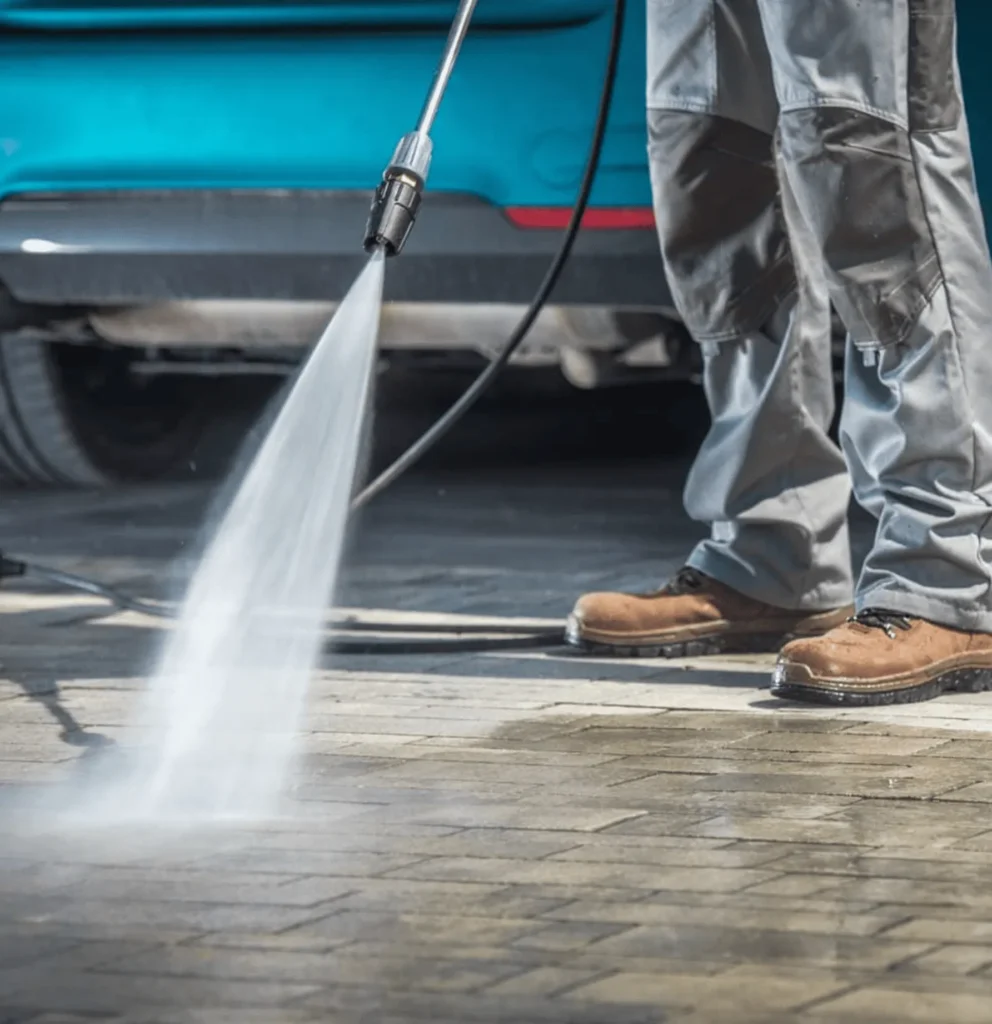
Pressure washing uses a high pressure stream of water to remove dirt, grime, mold, algae and other contaminants from various exterior surfaces. Unlike power washing which uses hot water, pressure washing uses only cold water. This makes it a safe method for cleaning softer surfaces like wood, siding and patio furniture that could get damaged from the intense heat of power washers.
The process of pressure washing is simple but powerful. A pressure washer machine produces a strong stream of water at high PSI (pounds per square inch) which blasts away dirt and buildup without the need for cleaning solutions in many cases. But since it doesn’t have the extra cleaning power of heat, pressure washing is best for routine cleaning and surface dirt that hasn’t penetrated the material.
Pressure Washing vs Power Washing
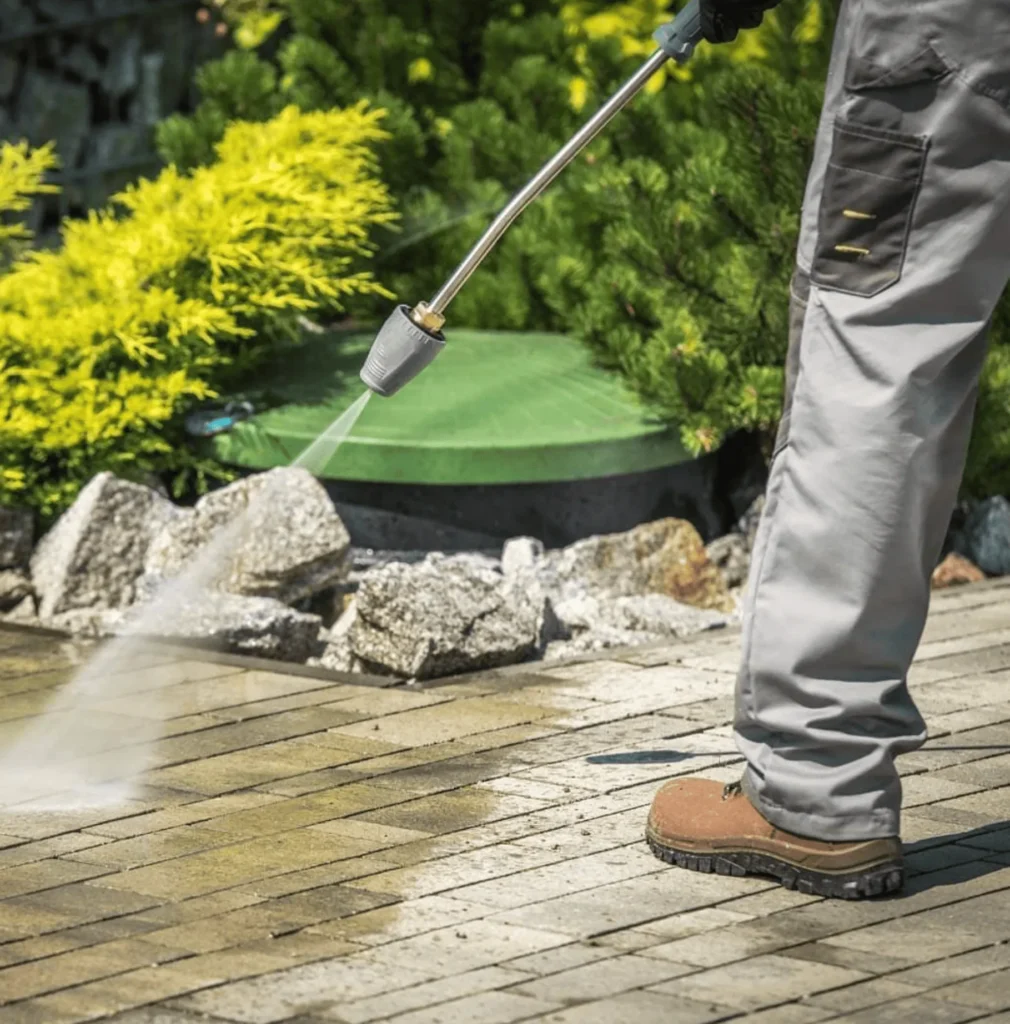
While both use high-pressure water jets to clean exterior surfaces, the differences lie in the type of water used and the amount of cleaning power each method delivers. Here’s the breakdown:
- Water Temperature:
- Pressure washing uses regular temperature water (cold or ambient).
- Power washing heats the water for added heat to cut through grime.
- Types of Surfaces:
- Pressure washing is safe for delicate surfaces like wood, siding, and painted surfaces where heat could be harmful.
- Power washing is better for tough surfaces like concrete, stone and metal, where heat helps break down oil and grease stains.
- Cleaning Power:
- Pressure washing has high water pressure but may need chemical solutions for the deepest cleaning, especially on tough grime.
- Power washing has high-pressure water jets and heat for stronger cleaning without needing extra chemicals.
- Damage:
- Pressure washing has less risk of damage but improper pressure settings can still harm softer materials like wood and vinyl.
- Power washing can damage surfaces if high-pressure streams and heated water are not used properly. You need to adjust the pressure settings and nozzles according to the surface you’re cleaning.
Applications of Pressure Washing and Power Washing
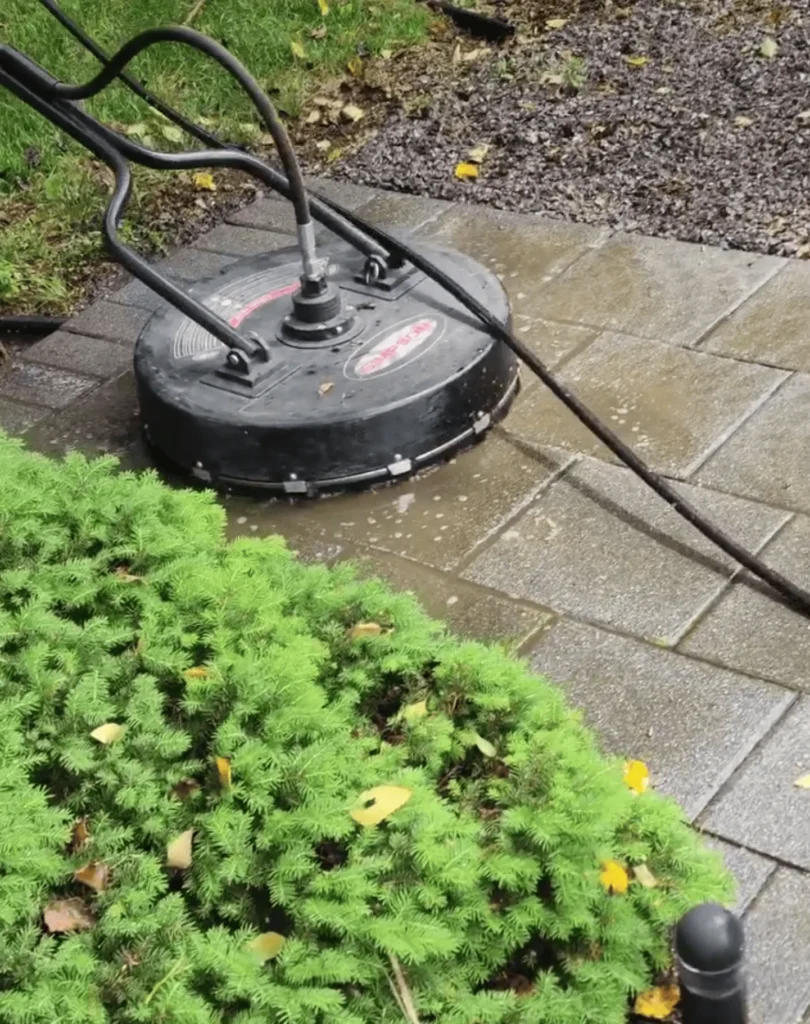
Depending on the surface and the type of dirt or stain you’re dealing with, one method is better than the other. Here are the most common applications for each:
Pressure Washing
- Wooden Decks and Fences: Pressure washing is best for cleaning softer materials like wood without stripping away paint or damaging the wood fibres. It’s great for surface dirt, mould and mildew.
- Vinyl and Aluminum Siding: Power washing can be too harsh for siding so pressure washing is the safer choice. Use lower PSI setting and pressure washers can clean siding without heat induced damage.
- Patio Furniture: Cleaning outdoor furniture made of plastic, wood or metal is best done with cold water pressure washing. Lower pressure setting is gentle enough not to wear out the material while still removing dirt and debris.
Power Washing
- Concrete Driveways: Power washers can remove stubborn stains like oil and grease from concrete surfaces. Heated water and high pressure can cut through these tough substances.
- Garage Floors and Parking Garages: These areas are prone to heavy staining from vehicle fluids, so power washing is the best solution to break down and remove oil, grime and grease.
- Industrial Equipment: For industrial settings where dirt and grime accumulate on machinery, power washing can do a deep clean without the need for harsh chemicals.
Safety Tips for Pressure Washing and Power Washing
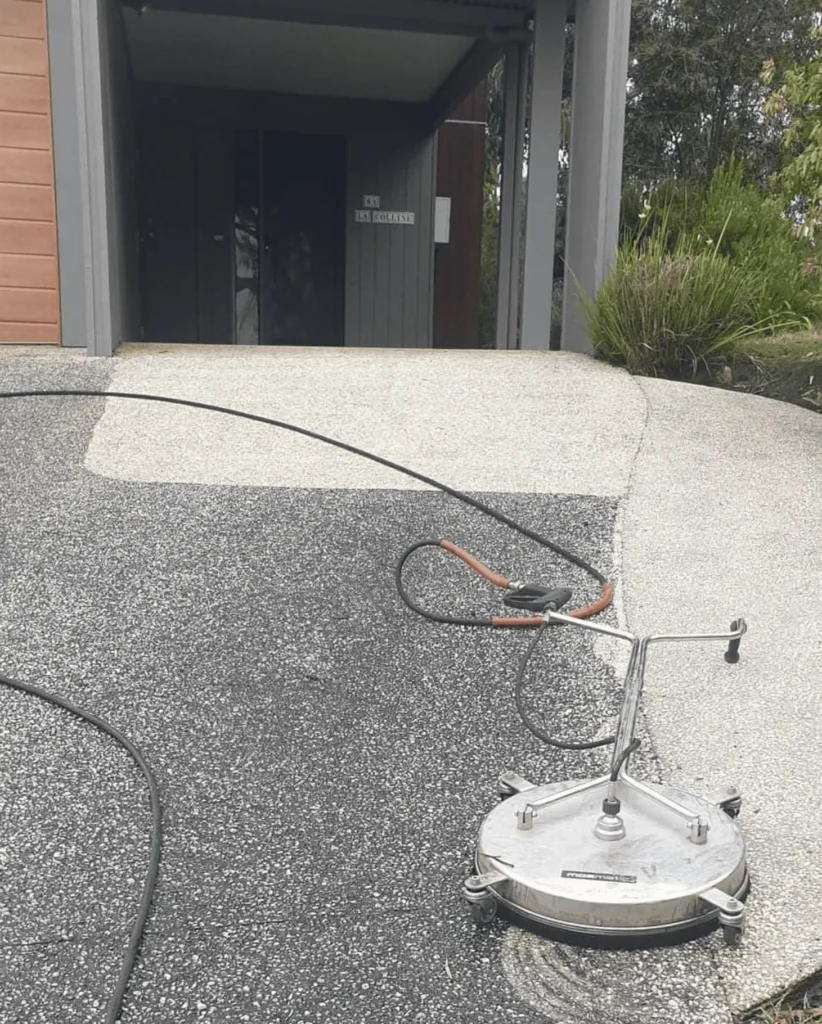
Pressure cleaning and power washing involve high-pressure water, which can cause injury or damage if not handled right. Follow these safety tips for a safe and efficient clean:
- Wear Protective Gear: Always wear safety goggles to protect your eyes from flying debris, and consider wearing gloves and boots to avoid getting wet.
- Test Pressure: Before you start test the pressure on a small inconspicuous area to make sure you won’t damage the surface.
- Avoid Fragile Surfaces: Be careful when using high pressure water near windows, screens and delicate materials as the force can break or damage these items.
- Watch Out for Electrical Hazards: If using an electric pressure washer, be mindful of the water’s proximity to electrical outlets and cords to avoid shocks or short circuits.
DIY vs Hiring Professional Pressure Washing Services
While DIY pressure washing is good for small routine jobs like cleaning a deck or driveway, larger more complex jobs may require the expertise of a professional pressure washer. Hiring professional pressure washing services means you get professional level cleaning results with minimal risk of damaging surfaces.
Professionals have the advantage of using high-grade equipment like gas-pressure washers and modern jet-washing equipment designed for heavy-duty cleaning tasks. They also have access to specialized nozzles and wide spray nozzles that can adjust the water flow for surface-specific tips. Whether you’re cleaning public spaces, commercial buildings or oil-stained driveways, a team of professionals can handle tough stains and complex power-washing jobs safely and efficiently.
Environmental Impact and Water Usage
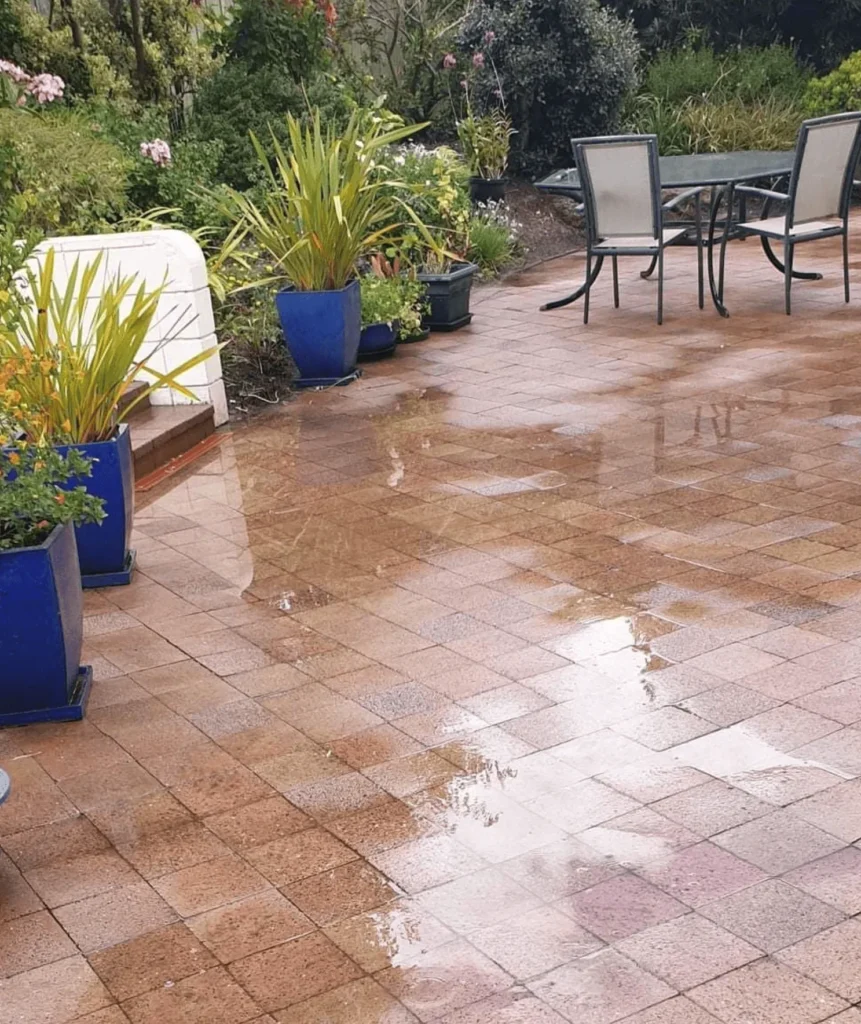
Another often overlooked aspect of pressure washing and power washing is the environmental impact, particularly water waste and chemical runoff. Eco friendly cleaning solutions can reduce the effects of chemicals entering the environment and modern pressure washers with adjustable flow rates can reduce water consumption. Plus professional pressure cleaning services know how to manage water usage better so they use only what’s needed for the job.
In terms of water volume both pressure and power washers use a lot of water, machines dispense several liters of water per minute. So, while you may get a deep clean and restore your home’s curb appeal, be mindful of water conservation during the clean. Hiring professional services can also reduce the environmental impact by using water efficiently.
FAQ
What’s the difference between pressure washing and power washing?
The main difference is the water temperature. Pressure washing uses cold water, power washing uses hot water. Hot water is better for tough stains and greasy surfaces.
Which should I use on my driveway—pressure washing or power washing?
If your driveway is oiled, greased or dirty, power washing is the way to go. Hot water breaks down tough stains better than cold water. For general surface dirt, pressure washing will do.
Can I damage my home’s siding with pressure washing?
Yes if not done right. Using a pressure washer with too high of a PSI or the wrong nozzle can damage softer surfaces like vinyl or wood siding. Use the lowest pressure setting and test a small area first.
Is pressure washing safe for wooden decks?
Yes but only if you use the right pressure and technique. Too much pressure can cause splintering or strip away the wood. Low pressure with a wide spray nozzle is recommended for delicate surfaces like wood.
Can I do pressure washing myself or should I hire a pro?
For small jobs, DIY pressure washing is fine. But for larger, more complex jobs like cleaning industrial equipment or heavily stained areas, it’s best to hire a professional pressure washing service to avoid damage and get a thorough clean.
Does power washing use a lot of water?
Power washing does use more water due to the high pressure. But modern machines with adjustable flow rates can help conserve water. Hiring a pro can also help minimize water waste by using the right settings and technique for your specific job.